

Electrolytic Ozone Electrode for Ozone Water Generation
Updated : Aug. 21, 2026Chalco Titanium provides electrolytic ozone electrodes for ozone water generation equipment, suitable for integration into ozone water machines, oral irrigators, smart washing machines, food cleaning devices, drinking water treatment systems, medical water treatment units, air deodorizing and purification equipment, and OEM electrolytic ozone modules.
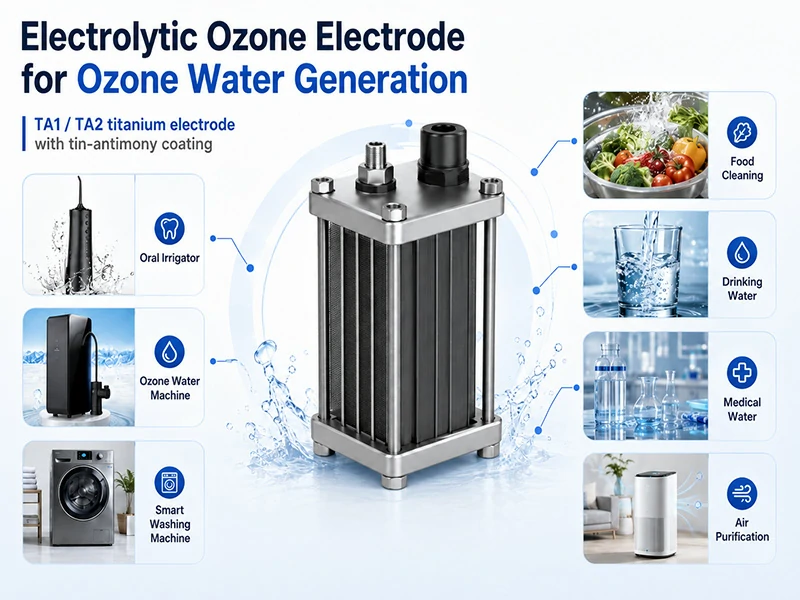
The electrodes can be designed as titanium mesh, titanium plate, sheet-type, or custom electrode assemblies according to the equipment structure, enabling manufacturers to achieve ozone water generation, disinfection, deodorization, and water treatment functions within limited installation space.
Provide your equipment type, water quality information, flow rate, target ozone concentration, electrode dimensions, installation space, or drawings, and Chalco Titanium can assist in evaluating a suitable electrolytic ozone electrode solution.
What is an electrolytic ozone electrode?
An electrolytic ozone electrode is a titanium-based catalytic electrode used for generating ozone via water electrolysis. It typically uses TA1/TA2 commercially pure titanium as the substrate, coated with a tin-antimony-based catalytic layer optimized for ozone-generating reactions, enabling water oxidation at the anode to produce ozone.
In an electrolytic ozone generation system, the electrode must work in coordination with the electrolytic cell, power supply, water flow path, and control system. As water passes through the electrolytic cell, the catalytic coating on the anode surface facilitates electrochemical reactions that generate ozone, which then dissolves into the water to form oxidizing ozone-enriched water.
These electrodes are ideal for compact, modular devices requiring on-site ozone water generation-such as ozone water machines, oral irrigators, food cleaning appliances, smart washing machines, air deodorizing and purification units, and certain water disinfection systems.
Chalco Titanium electrolytic ozone electrode specifications
Chalco Titanium offers titanium-based electrolytic ozone electrodes for ozone water generation equipment, supporting various electrolytic cell configurations, installation constraints, and output requirements. The electrodes can be fabricated as mesh, plate, sheet, or custom assemblies for small-scale ozone modules, household appliance disinfection units, and water treatment equipment integration.
| Item | Chalco Titanium supply options |
| Product name | Electrolytic ozone electrode |
| Titanium substrate | TA1 / TA2, Grade 1 / Grade 2 titanium |
| Coating system | Tin-antimony based catalytic coating |
| Electrode shape | Mesh, plate, sheet, customized electrode assembly |
| Size | Customized according to drawing, sample or electrolysis cell structure |
| Application medium | Tap water, treated water, process water or project-specific water source |
| Working condition | Matched according to voltage, current, flow rate and target ozone concentration |
| Service life | 1–8 years, depending on water quality, current density, operating time and electrode design. |
| Supply form | Single electrode, electrode pair, electrode stack or assembled ozone electrode module |
| Application equipment | Ozone water generator, oral irrigator, washing machine, food cleaning equipment, disinfection module, water treatment system |
How does an electrolytic ozone electrode generate ozone water?
The electrolytic ozone electrode generates ozone at the anode through water electrolysis. When water enters the electrolytic cell, the catalytic coating on the anode surface drives an oxidation reaction under direct current, converting water molecules into ozone that dissolves into the water to form ozone-enriched water.
A common anodic reaction can be expressed as: 3H₂O - 6e⁻ → O₃ + 6H⁺
The generated ozone exhibits strong oxidizing capability, enabling microbial control in water, odor oxidation, partial organic compound degradation, and water purification. For ozone water machines, oral irrigators, smart washing machines, food cleaning devices, and small disinfection modules, electrolytic ozone generation is better suited for on-demand, in-device production without requiring additional large-scale ozone dosing systems.
Ozone generation occurs at the anode surface
In electrolytic ozone systems, ozone is primarily generated at the anode surface. Factors such as electrode coating, electrode area, inter-electrode spacing, current density, water quality, flow rate, and electrolytic cell design all influence the stability of ozone water output.
Therefore, selecting an electrolytic ozone electrode should not be based solely on physical dimensions; it must also account for the actual water flow path, flow rate, target ozone concentration, and operational mode of the equipment.
Oxidation effects in ozone water
Once dissolved in water, ozone can directly participate in oxidation reactions or further form reactive species with oxidizing capacity, helping devices achieve auxiliary disinfection, deodorization, decolorization, and organic matter oxidation.
In applications such as drinking water treatment, food cleaning, secondary water supply, medical water treatment, and certain wastewater scenarios, the effectiveness of ozone water typically depends on ozone concentration, contact time, water quality conditions, and equipment design.
Available electrode shapes
Different ozone water equipment varies in electrolytic cell space, water flow path, installation method, and target ozone concentration, leading to diverse electrode shape requirements. Chalco Titanium offers titanium mesh, titanium plate, sheet-type, and custom electrode assemblies to match various ozone water generation equipment types.
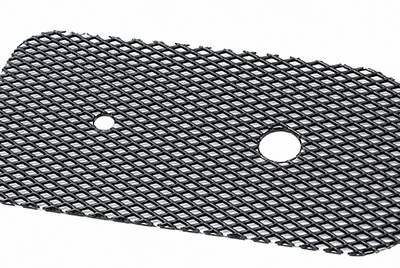
Titanium mesh ozone electrode
Suitable for flow-through electrolytic cells, compact ozone water modules, and space-constrained disinfection devices. The mesh structure increases contact area between water flow and electrode surface, ideal for applications requiring high reaction area and efficient space utilization.

Titanium plate ozone electrode
Ideal for flat-plate electrolytic cells, water treatment systems, food cleaning equipment, and ozone water generators. The plate structure offers stability and ease of mounting, electrical connection, and mass assembly.
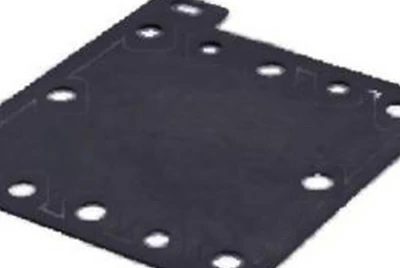
Sheet-type ozone electrode
Designed for oral irrigators, smart washing machines, air deodorizing devices, and compact home appliance modules. The thin sheet profile fits well in slim installation spaces and integrates seamlessly with compact water channels and housing structures.

Custom electrode assembly
Tailored for OEM ozone water equipment, specialized electrolytic cells, legacy electrode replacements, and bulk integration projects. Customization is available based on drawings, samples, mounting holes, electrode spacing, and electrical connection methods.
Applications of electrolytic ozone electrodes
Electrolytic ozone electrodes are primarily used in devices requiring on-site ozone water generation for cleaning, deodorization, auxiliary disinfection, and oxidative water treatment. Depending on the equipment and operating environment, Chalco Titanium's electrolytic ozone electrodes serve the following application scenarios.
-
 Personal care products (oral irrigators)
Suitable for small electrolytic ozone modules in personal care devices like oral irrigators, supporting oral hygiene, odor control, and decomposition of residual organic matter.
-
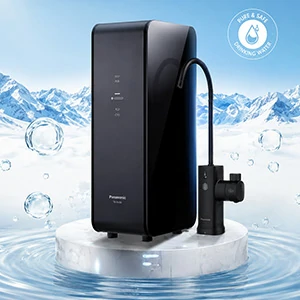 Household ozone disinfection water machines
Applicable to household ozone disinfection water machines for everyday tasks such as handwashing, dish cleaning, kitchenware deodorization, and general home sanitation.
-
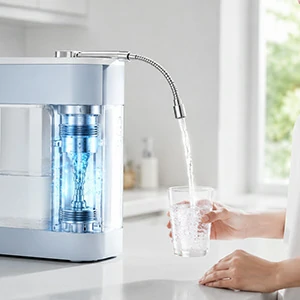 Drinking water treatment
Suitable for drinking water, purified water, mineral water, and tap water treatment systems, enabling water purification, odor control, and auxiliary disinfection.
-
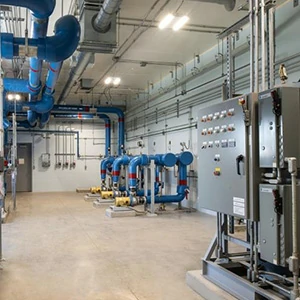 Medical water treatment
Designed for medical water treatment systems and associated disinfection equipment, ideal for applications demanding stable water quality, reliable device performance, and high electrode corrosion resistance.
-
 Air purification and deodorization equipment
Applicable to compact ozone deodorizing purifiers and air purification devices for odor control and air cleaning in spaces such as refrigerators, shoe cabinets, and bathrooms.
-
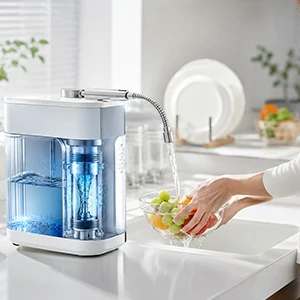 Food disinfection and sterilization
Suitable for fruit and vegetable washing, food processing water, kitchenware cleaning, and food service utensil sanitation equipment, supporting food cleaning, odor removal, and auxiliary disinfection.
Difference between electrolytic ozone electrodes and chlorine-generating electrodes
Both electrolytic ozone electrodes and chlorine-generating electrodes are titanium-based electrodes used in water treatment, but they differ in reaction objectives, applicable media, coating systems, and equipment purposes. Selection should not rely solely on physical dimensions; it is essential first to confirm whether the device aims to produce ozone water or chlorine-based disinfectants.
| Comparison item | Electrolytic ozone electrode | Chlorine-generating electrode |
| Primary product | Ozone (O₃) | Chlorine, hypochlorous acid, or sodium hypochlorite |
| Main reaction objective | Electrolyze water to generate ozone water | Electrolyze chloride-containing water to generate chlorine-based disinfectants |
| Typical coating type | Tin-antimony catalytic coating | Ru-Ir, RuO₂, or other chlorine-evolving coatings |
| Common media | Tap water, treated water, project-specific water sources | Brine, swimming pool water, seawater, or chloride-containing water |
| Typical equipment | Ozone water machines, oral irrigators, food cleaning devices, air deodorizers, drinking water treatment systems | Sodium hypochlorite generators, hypochlorous acid generators, swimming pool disinfection systems, seawater electrolytic chlorination units |
| Primary applications | Cleaning, deodorization, auxiliary disinfection, oxidative water treatment | Chlorination disinfection, sodium hypochlorite production, swimming pool sanitation, marine antifouling |
| Selection focus | Target ozone concentration, flow rate, water quality, electrode area, electrolytic cell design | Salt concentration, available chlorine output, current density, polarity reversal method, scale resistance |
Selection tip:
If the device is intended to generate ozone water on-site for cleaning, deodorizing, disinfection assistance, or oxidative purification, electrolytic ozone electrodes should be selected. If the device is designed to electrolyze chloride-containing water to produce hypochlorous acid, sodium hypochlorite, or other chlorine-based disinfectants, chlorine-generating electrodes should be chosen.
Ozone electrolytic cell and module integration support
Ozone electrolytic cell and module support
In addition to electrolytic ozone electrodes, Chalco Titanium also provides ozone electrolytic cells, electrode pairs, and compact electrolytic ozone modules to help equipment manufacturers integrate ozone water generation functionality into cleaning, deodorizing, disinfection, and water treatment devices.
In practical applications, electrolytic ozone electrodes typically operate together with an electrolytic cell, fluidic structure, power supply, and control system. Factors such as electrode spacing, water flow path, electrical connections, sealing design, and operating parameters all influence ozone water output performance.
Reference parameters for common ozone disinfection electrolytic cells
| Item | Parameter range |
| Electrolyte | Typical municipal tap water, 160–250 TDS |
| Water temperature range | 5–40°C |
| Operating voltage | DC 12 V, constant-voltage operation |
| Operating current | 0.2–1.0 A |
| Operating pressure | 0.07–3.0 kgf/cm³ |
| Outlet flow rate | 200–800 ml/min |
| Ozone concentration | 0.3–1.0 ppm |
Available integration formats
| Integration format | Suitable applications |
| Single electrolytic ozone electrode | Replacement of existing electrodes, sample testing, and small-device development |
| Electrode pair | Electrolytic cells requiring matched anode and cathode combinations |
| Electrode assembly | Ozone water modules with multiple electrodes connected in parallel or stacked |
| Ozone disinfection electrolytic cell | Ozone water generators, disinfection equipment, cleaning devices, and water treatment systems |
| Compact electrolytic ozone module | Home appliances, personal care products, food washing equipment, and OEM integration projects |
What information is needed to match a module?
To ensure optimal compatibility between electrodes and electrolytic cells, we recommend providing details such as device type, water TDS, temperature range, operating voltage and current, outlet flow rate, target ozone concentration, available installation space, and electrode connection method.
Why choose titanium as the electrode substrate?
Electrolytic ozone electrodes operate long-term in environments involving water, electric current, and strong oxidation reactions. The substrate material must offer corrosion resistance, ease of fabrication, suitability for coating deposition, and structural stability. Chalco Titanium uses industrial-purity TA1/TA2 titanium as the substrate for its electrolytic ozone electrodes, making them well-suited for integration into ozone water generators, electrolytic disinfection systems, and water treatment equipment.
- Excellent corrosion resistance: Titanium substrates maintain strong corrosion resistance in water, electrolytes, and oxidative environments, providing a stable foundation for long-term electrode operation.
- Suitable for coating deposition: The core functionality of electrolytic ozone electrodes comes from their surface catalytic coating. Titanium substrates serve as an ideal base for tin-antimony-based coatings, enabling the formation of stable ozone-generating electrodes.
- Structural stability: TA1/TA2 titanium offers good mechanical strength, allowing electrodes to remain stable under electrical current, water flow erosion, and prolonged operation.
- Good machinability: Titanium can be fabricated into mesh, plate, sheet, and custom electrode assemblies, accommodating various ozone electrolytic cell designs, fluidic structures, and installation spaces.
- Ideal for mass production: For ozone water generators, food washing equipment, drinking water treatment systems, medical water treatment devices, and air deodorization units, titanium substrates help ensure consistent electrode structure and stable batch assembly.
How to confirm an electrolytic ozone electrode solution?
To ensure optimal matching between the electrolytic ozone electrode and your device, we advise against providing only external dimensions when requesting a quote. Water quality, flow rate, target ozone concentration, voltage and current, electrolytic cell structure, and installation method all affect electrode design and performance.
- Device type: Specify whether the electrode will be used in an ozone water generator, oral irrigator, food washing appliance, drinking water treatment system, medical water treatment unit, air purification device, or other water treatment system.
- Water quality conditions: Provide information about the water source-such as tap water, purified water, treated water, or project-specific water-including TDS, temperature range, salt content, or other special components.
- Operating parameters: Share working voltage, current, outlet flow rate, operating pressure, and target ozone concentration to facilitate evaluation of required electrode area and electrolytic cell compatibility.
- Installation structure: Provide dimensions of the electrolytic cell, electrode spacing, mounting hole positions, electrical connection method, and internal device space to prevent assembly mismatches.
- Usage requirements: Clarify continuous runtime, start-stop frequency, cleaning method, expected service life, and whether the electrode is intended for mass-produced equipment.
- Reference materials: You may provide drawings, photos of existing electrodes, sample dimensions, or images of current electrolytic cells to help Chalco Titanium quickly assess electrode structure and replacement options.
- Based on this information, Chalco Titanium can assist in confirming the electrode's shape, dimensions, connection method, assembly configuration, and compatibility with the ozone electrolytic cell.
Quality control and supply support
Electrolytic ozone electrodes must not only meet dimensional and assembly requirements but also maintain stable performance under electrical current, water flow erosion, and oxidative conditions. Chalco Titanium provides comprehensive quality control and supply support covering substrate, coating, dimensions, connections, and batch consistency.
Substrate verification
Verify the quality of TA1/TA2 titanium substrates to ensure stable structural integrity and reliable corrosion resistance.
Dimensional inspection
Inspect electrode length, width, thickness, hole positions, electrode spacing, and mounting structure to ensure precise fit with the electrolytic cell.
Coating inspection
Examine the surface condition, uniformity, and batch consistency of the tin-antimony catalytic coating to minimize performance variations caused by coating discrepancies.
Connection inspection
Check conductive terminals, welding points, mounting holes, threaded connections, or other conductive structures to ensure stable current transmission.
Sample confirmation
For new device development or electrode replacement projects, sample validation can be performed before proceeding to mass production and long-term supply.
Mass production supply
Suitable for bulk integration into ozone water generators, food washing equipment, drinking water treatment systems, medical water treatment devices, air purification units, and home appliance modules.
Packaging protection
Electrodes are packaged according to their shape and coating surface requirements to minimize risks of scratching, deformation, and coating damage during transit.
Technical communication support
Customers may provide drawings, samples, photos of existing electrodes, or test requirements. Chalco Titanium can verify critical dimensions, connection details, and assembly specifications prior to production.
Frequently asked questions
What is an electrolytic ozone electrode?
An electrolytic ozone electrode is a titanium-based catalytic electrode used to generate ozone from water via electrolysis. It employs a functional coating on the anode surface to drive the electrochemical reaction that produces ozone-enriched water.
What types of equipment use electrolytic ozone electrodes?
They can be used in ozone water generators, oral irrigators, household ozone disinfection water units, drinking water treatment systems, medical water treatment equipment, food washing appliances, air purification and deodorization devices, and certain water treatment systems.
What substrate materials are commonly used for electrolytic ozone electrodes?
Chalco Titanium offers TA1/TA2 industrial-purity titanium substrates, equivalent to Grade 1/Grade 2. Titanium provides excellent corrosion resistance and machinability, making it an ideal structural base for ozone electrodes.
What coating is used on electrolytic ozone electrodes?
Electrolytic ozone electrodes utilize tin-antimony-based catalytic coatings for ozone generation from water electrolysis. The specific coating formulation is typically tailored to water quality, target ozone concentration, current density, and service life requirements.
What shapes can electrolytic ozone electrodes be made in?
Chalco Titanium offers titanium mesh, titanium plate, sheet-type ozone electrodes, and custom electrode assemblies to match various ozone electrolytic cells, fluidic pathways, and installation spaces.
How long do electrolytic ozone electrodes last?
Chalco Titanium's electrolytic ozone electrodes are designed for a service life of 1–8 years, depending on water quality, current density, operating duration, electrode structure, and maintenance conditions.
What is the difference between electrolytic ozone electrodes and chlorine-generating electrodes?
Electrolytic ozone electrodes are primarily used to generate ozone water for cleaning, deodorizing, disinfection assistance, and oxidative purification, whereas chlorine-generating electrodes are used to electrolyze chloride-containing water to produce hypochlorous acid, sodium hypochlorite, or other chlorine-based disinfectants.
What information is needed when requesting a quote for electrolytic ozone electrodes?
We recommend providing device type, water TDS, temperature range, operating voltage and current, outlet flow rate, target ozone concentration, electrode dimensions, installation space, connection method, drawings, or photos of existing electrodes.


