

Iridium Tantalum (Ir-Ta) Coated Titanium Anodes
Updated : Jul. 22, 2026Chalco supplies iridium tantalum coated titanium anodes for acidic industrial electrolysis. These anodes use a titanium substrate with an Ir-Ta mixed metal oxide (MMO) coating and function as insoluble, dimensionally stable anodes (DSA) for oxygen evolution.
They primarily serve processes such as electrolytic copper foil production, electroplating, and electrowinning. For chloride-evolving brine electrolysis systems, please refer to the corresponding Ru-Ir anodes. Cathodic protection projects should be evaluated separately based on current output, cable connections, and installation structure.
Chalco offers plate, mesh, perforated plate, rod, wire, tube, anode basket, and custom assemblies, supporting Grade 1/2 titanium, build-to-drawing customization, MTC, and recoating of used anodes.
What is an iridium tantalum coated titanium anode?
An iridium tantalum coated titanium anode is a mixed metal oxide (MMO) anode that uses commercially pure titanium as the titanium substrate and features an IrO₂–Ta₂O₅ active layer on its surface.
IrO₂ provides the primary electrocatalytic activity for oxygen evolution, while Ta₂O₅ acts as a stabilizing component, helping the coating maintain integrity in acidic and highly oxidizing electrolytic environments. Therefore, Ir-Ta anodes are commonly used in electrolytic copper foil production, electroplating, electrowinning, and other industrial electrolysis systems dominated by oxygen evolution reactions.
This type of anode is also known as a dimensionally stable anode (DSA). Compared to graphite anodes and lead anodes-which continuously dissolve or gradually deform-its geometric dimensions remain more stable during operation, helping to maintain consistent electrode spacing, current distribution, and cell voltage.
As an insoluble anode, it also reduces the risk of electrolyte and cathode product contamination associated with traditional soluble anodes. Under comparable electrolyzer design and operating conditions, supplier data indicates a typical DC energy consumption reduction of approximately 10%–20%, though actual savings depend on electrolyte composition, current density, inter-electrode distance, and equipment design.
The titanium substrate itself provides electrical conductivity, mechanical support, and a basis for fabrication; the actual oxygen evolution catalysis is performed by the surface IrO₂–Ta₂O₅ coating. If the coating is scratched, partially delaminated, or if the electrolyte penetrates cracks to contact the titanium substrate, the passive oxide layer on titanium may increase interfacial resistance and degrade anode performance.
Therefore, substrate pretreatment, coating adhesion, packaging protection, and scratch prevention during handling and operation all influence the final service life.
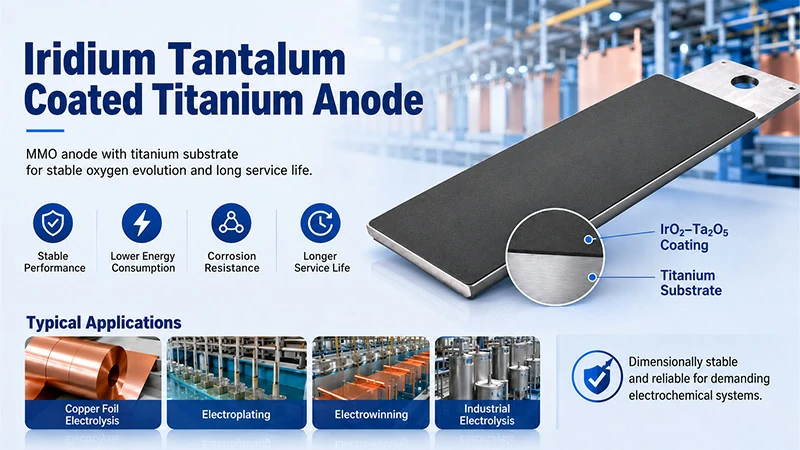
Typical Ir-Ta anode specifications
| Specification | Available option or reference |
| Titanium substrate | Grade 1 / TA1; Grade 2 available |
| Coating system | IrO₂–Ta₂O₅ mixed metal oxide |
| Product forms | Plate, mesh, perforated plate, rod, wire, tube, basket and custom assembly |
| Coating thickness | Typically 6–12 μm; selected by application and design life |
| Surface appearance | Black active coating |
| Active coated area | Full, partial, one-side, two-side or drawing-defined |
| Connection options | Tab, thread, cable, busbar, bolt or welded frame |
| Dimensions and tolerances | Build-to-drawing / made to specification |
Full coating is suitable for structures requiring maximum active area, while partial or single-side coating concentrates the active zone toward the cathode-facing side and reduces noble metal usage in non-working areas.
The connection method must also match current input and installation conditions to avoid contact resistance, localized overheating, or uneven power distribution.
Available forms, technical specifications, and custom fabrication
Chalco can supply plate, mesh, perforated plate, rod, wire, tube, anode basket, and custom electrode assemblies based on electrolyzer structure, effective area, current input method, and installation space.
Plate Anode
Plate anodes are suitable for copper foil production, electrowinning, and standard flat-plate electrolyzers. They offer structural stability and well-defined active area, facilitating control of inter-electrode distance and current distribution.
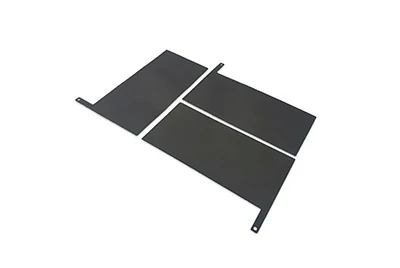

Perforated Plate Anode
Perforated plate anodes combine rigidity with efficient gas release and electrolyte flow, making them ideal for copper foil production and continuous electroplating equipment. Hole pattern, open area ratio, and curvature can be customized per drawings.
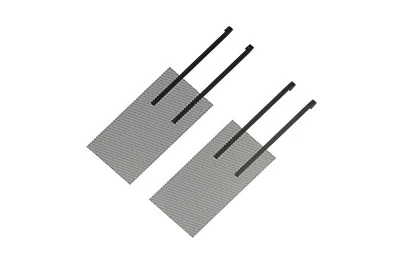
Mesh Anode
Mesh anodes provide a large active area and promote electrolyte circulation and gas venting, making them suitable for electroplating, metal recovery, and electrochemical oxidation.
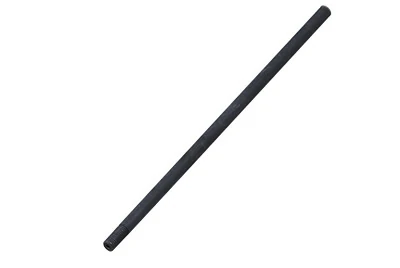
Rod Anode
Rod anodes are ideal for compact electrolyzers, laboratory setups, and integrated electrochemical systems with limited space. Diameter, coated length, threading, and connection methods can all be customized.
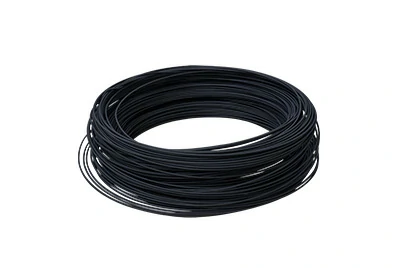
Wire and Coil Anode
Wire/coil anodes can conform to narrow, curved, or complex installation spaces, making them suitable for small reactors and custom electrolytic components. Wire diameter, coil shape, and pitch can be adjusted to meet specific requirements.
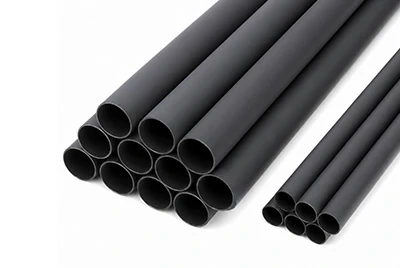
Tube Anode
Tube anodes are suitable for cylindrical cells, deep installations, and systems requiring cable connections. Tube diameter, length, sealing, and connection structure can be tailored to equipment design.
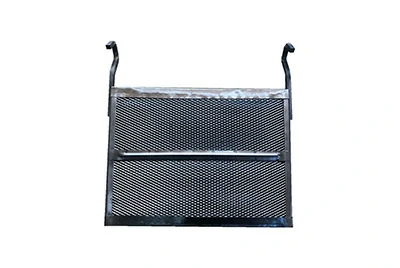
Anode Basket
Anode baskets can conform to complex workpiece geometries, improving current distribution in recessed and edge areas, making them ideal for auxiliary plating and irregularly shaped parts.
Among these, plate and perforated plate anodes are suitable for flat cells, copper foil production, and continuous plating lines; mesh enhances effective area and promotes electrolyte flow and gas release; rods, wires, and tubes fit compact equipment, cylindrical configurations, and specific mounting spaces; baskets and multi-plate assemblies can be manufactured to match cathode contours or OEM drawings.
Chalco can fabricate complete anode assemblies using plates, mesh, rods, tubes, or combinations thereof, based on customer drawings and electrolyzer configuration.
Dimensions, active coated area, frames, connection methods, mounting holes, and current input structures can be designed to order, suitable for OEM equipment, multi-plate arrays, and specialized electrolyzers.
Ir-Ta anodes for electrolytic copper foil
In electrolytic copper foil production, Ir-Ta titanium anodes are installed as insoluble anodes around a rotating cathode drum. Oxygen evolution occurs continuously on the anode side, while Cu²⁺ ions are reduced on the cathode drum surface to form copper foil.
Compared to traditional anodes that continuously dissolve or deform, the dimensionally stable Ir-Ta anodes help maintain consistent inter-electrode distance, current distribution, and cell voltage, while reducing the risk of anode material contaminating the electrolyte.
These factors directly impact copper foil thickness uniformity, surface quality, and continuous production stability, making them especially suitable for lithium-ion battery copper foil and PCB copper foil.
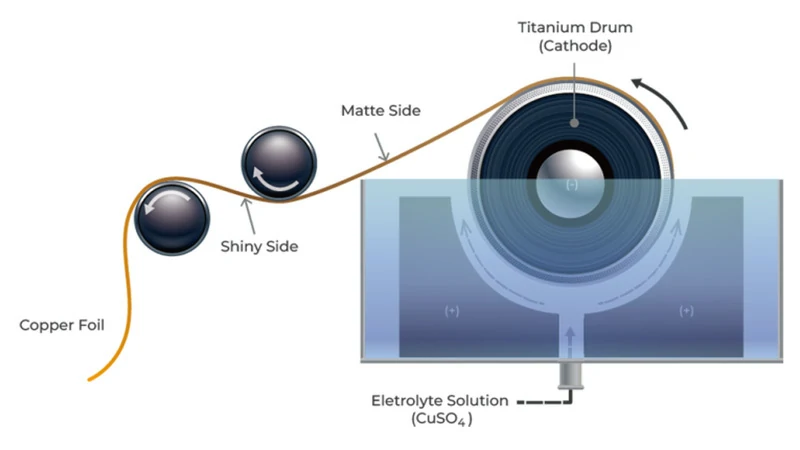
Typical copper foil production conditions are shown in the table below:
| Operating item | Supplier reference condition |
| Electrolyte | Cu²⁺ / H₂SO₄ / controlled Cl⁻ |
| Temperature | 50–60°C |
| Current density | 7,000–10,000 A/m² |
| Dominant anodic reaction | Oxygen evolution |
| Available form | Plate, perforated plate, drawing-defined assembly |
Final application parameters must also consider Cu²⁺ and H₂SO₄ concentrations, Cl⁻ content, organic additives, target foil thickness, cathode drum diameter, line speed, and cooling conditions.
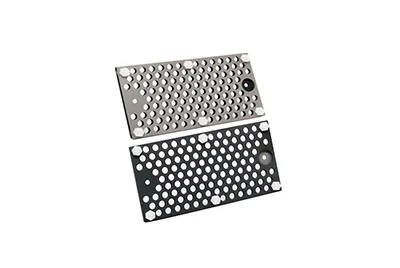
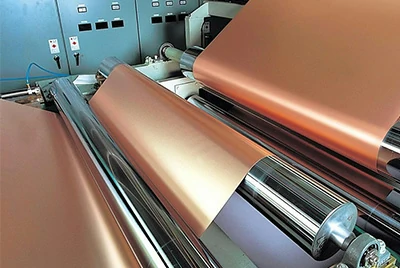
Proper matching of anode curvature, perforation pattern, and current feed points helps minimize localized high-current zones, promoting more uniform deposition across the cathode drum width and reducing thickness variation, line stoppages, and rework risk.
Structures can feature drawing-defined embedded designs, back-pull configurations, or staggered perforation patterns.
Chalco can supply plate, perforated plate, and custom anode assemblies based on foil-making machine structure, and confirm curvature, active coated area, mounting holes, connection structure, and current input location per drawings.
Ir-Ta anodes for electroplating and surface finishing
In electroplating and surface finishing systems, Ir-Ta titanium anodes are commonly used as insoluble auxiliary anodes. Compared to soluble anodes that gradually dissolve or deform, they help maintain electrode geometry, current distribution, and bath composition, while reducing the risk of anode material entering the electrolyte.
For processes such as trivalent chromium plating, reverse pulse copper plating, continuous zinc plating, and tin plating, this stability helps reduce burning, uneven deposit thickness, and unplanned downtime caused by anode maintenance.
Current density and temperature vary significantly across different plating processes; please select based on actual application requirements:
| Plating process | Reference operating condition | Buyer decision meaning |
| Trivalent chromium plating | 700–1,200 A/m²; 20–40°C | Confirm auxiliary anode area based on bath composition and cathode area |
| Reverse-pulse copper plating | Forward 800 A/m²; reverse 2,400 A/m² | Pulse ratio, peak current, and duty cycle must be confirmed simultaneously |
| Continuous zinc or tin strip plating | 8,000–11,500 A/m²; 55–60°C | High current, cooling, coating loading, and power feed points require evaluation |
| General plate or basket service | 500–800 A/m²; typically ≤24 V | Provided as a reference range for standard plating setups and does not represent the upper limit for all processes |
Chalco can supply plates, meshes, perforated plates, and anode baskets, and offers build-to-drawing designs based on cathode profile, tank space, and mounting method.
For complex parts, conformal auxiliary anodes help improve current distribution in recesses, edges, and shielded areas; for continuous lines, effective anode area, busbar connection, cooling conditions, and current input location must be clearly specified.
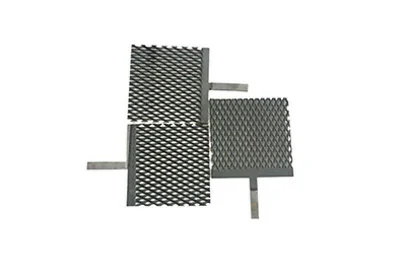
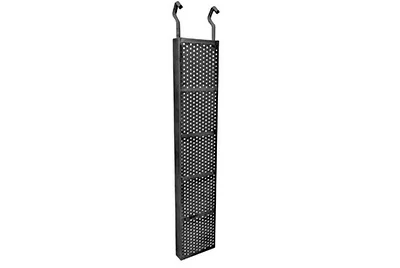
Please provide plating type, bath composition, temperature, normal and peak current density, waveform parameters, cathode geometry, and anode installation space to determine the suitable insoluble anode structure and coating solution for electroplating.
Ir-Ta anodes for electrowinning and metal recovery
In non-ferrous metal electrowinning and spent electrolyte recovery systems, Ir-Ta titanium anodes primarily facilitate stable oxygen evolution.
Compared with traditional lead-based or graphite anodes, dimensionally stable MMO anodes reduce risks of continuous anode dissolution, deformation, and electrode-derived impurities entering the electrolyte, and help control cell voltage and operating energy consumption through lower oxygen evolution overpotential.
It can be used for electrowinning of metals such as Cu, Co, Ni, Zn, and Mn, and is also suitable for recovering valuable metals like copper and nickel from PCB etching waste solutions.
PCB etching waste recovery reference conditions are listed below, but these parameters apply only to the corresponding recovery systems:
| Operating parameter | Reference condition |
| Current density | 3–8 ASD, i.e., 300–800 A/m² |
| Chloride | 5–50 ppm |
| Sulfate | 120–180 g/L |
| Hydrogen peroxide | 0–5 g/L |
| Copper concentration | Approx. 50 g/L |
| Dominant anodic reaction | Oxygen evolution |
Final anode selection must also consider acidity, metal ion types, impurities, oxidants, temperature, circulation flow rate, and cathode deposition rate. Media containing Mn, F⁻, CN⁻, or high Cl⁻ levels require separate review of coating compatibility and titanium substrate risks; standard copper recovery parameters cannot be directly applied.
For large-area electrolytic cells, Chalco can supply plates, meshes, and parallel anode assemblies; for high-flow and mass-transfer-enhanced equipment, cyclone electrowinning or plate-type recovery designs can be evaluated based on system configuration.
Mesh and assembled anodes increase effective electrolysis area and improve electrolyte flow, but inter-electrode distance, power feed points, and local current density must be controlled to avoid short circuits and localized damage caused by uneven current distribution, cathode dendrite growth, or excessive deposit buildup.
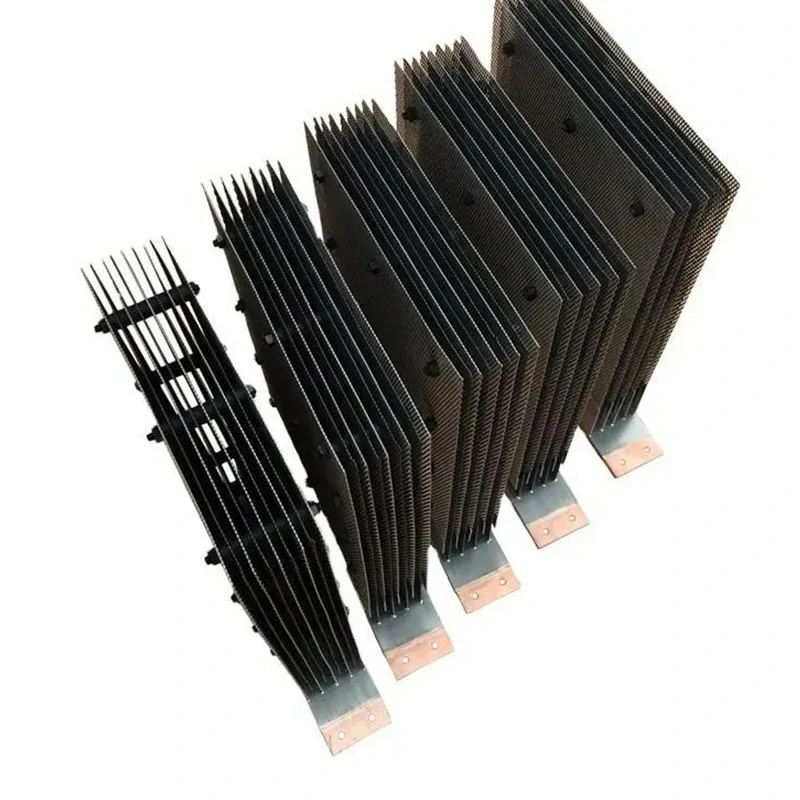
Choosing the right MMO coating: Ir-Ta vs Ru-Ir vs platinized titanium
When selecting an MMO coating, first confirm the dominant anodic reaction and electrolyte composition-not just the anode shape.
Ir-Ta, Ru-Ir, and platinized titanium all use titanium substrates but differ in active layer composition, resulting in different applicable media, primary reactions, and key purchasing considerations.
| Coating system | Dominant reaction | Typical media | Typical applications | Key buying question |
| Ir-Ta MMO | Oxygen evolution / anodic oxidation | Acidic, sulfate-based, and some strongly oxidizing media | Electrolytic copper foil, electroplating, electrowinning | Current density, iridium loading, temperature, design life |
| Ru-Ir MMO | Chlorine evolution | Brine, seawater, and chloride-rich media | Chlor-alkali, sodium hypochlorite, salt chlorination, disinfection | Chloride concentration, chlorine output, operating polarity |
| Platinized titanium | Project-specific anodic service | Selected plating, laboratory, and compact electrolysis systems | Precious-metal plating, small cells, special electrochemical equipment | Platinum thickness, exposed substrate risk, cost |
For chlorine-evolution-dominated brine or high-chloride systems, Ru-Ir MMO should be prioritized; the two coatings are not directly interchangeable.
Platinized titanium is better suited for projects requiring thin precious metal layers, special geometries, or small electrolytic cells. Ir-Ta titanium anodes cost approximately 60% of platinized electrodes, though actual cost depends on precious metal loading, effective area, structure, and target service life.
Please provide electrolyte composition, normal and peak current density, cathode roll dimensions, target copper foil thickness, and anode drawings to evaluate suitable coating loading, active area, and mounting structure.
Titanium substrate, manufacturing, quality control, and traceability
Chalco's iridium-tantalum titanium anodes use commercially pure titanium substrates, typically ASTM B265 Grade 1 (TA1) plates or equivalent forms;
Grade 2 substrates are available to specification for applications requiring higher strength or greater cross-sectional wall thickness.
Chemical composition limits for ASTM B265 Grade 1 and Grade 2 titanium are as follows (weight percent, wt%):
| Element | Grade 1 (max) | Grade 2 (max) |
| Fe | 0.20 % | 0.30 % |
| C | 0.08 % | 0.08 % |
| N | 0.03 % | 0.03 % |
| H | 0.015 % | 0.015 % |
| O | 0.18 % | 0.25 % |
| Ti | balance | balance |
Both are unalloyed commercially pure titanium grades. Grade 1 (TA1) has lower maximum oxygen and iron content, offering better ductility and lower impurity levels, making it the standard choice for iridium-tantalum anode substrates. Grade 2 provides slightly higher strength and is suitable for applications with special mechanical load or wall thickness requirements.
Chalco can provide mill test certificates (MTCs) for substrates upon order to verify chemical composition and mechanical properties.
Controlled manufacturing process
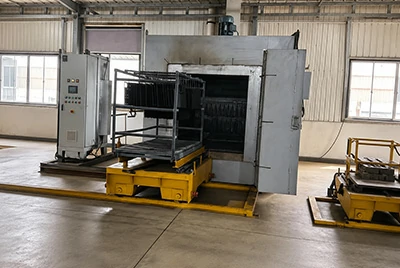
Production typically includes titanium substrate selection, cutting, bending or welding, annealing and leveling, mechanical grinding, oxalic acid pickling, repeated coating application, and heat treatment.
After surface activation, the titanium substrate is coated with a formulation tailored to the application, and an IrO₂–Ta₂O₅ active layer is formed through multiple coat-and-sinter cycles; witness coupons are used to verify batch process stability.
Surface pretreatment is critical. Proper roughening and acid pickling remove oils and oxide layers, improving coating adhesion to the titanium substrate.
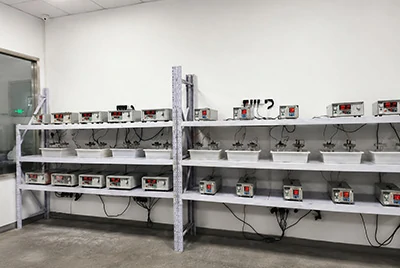
Quality control and inspection
The following quality control items can be configured based on order and inspection scope:
- Titanium substrate MTC
- Dimensional inspection
- Visual coating inspection
- Coating thickness or loading verification
- Coating process record
- Test-coupon evaluation
- XRF analysis
- Accelerated life test (ALT)
- Electrical connection inspection
- Product label and batch or serial traceability
Documentation and traceability
Each batch or unit can be assigned a product code, batch number, or serial number per order, linked to drawings, substrate certificates, inspection records, and packing lists.
Quality and certification statement
Production and inspection are managed under documented quality-control procedures.
Iridium loading, current density, and service life
The core performance of Ir-Ta anodes depends on the balance between iridium loading and operating conditions. Higher iridium loading extends coating life but increases cost;
Therefore, Chalco customizes Ir loading for each anode batch based on electrolyte type, current density, and target design life. A typical value is 8 g Ir/m² as a reference design parameter; actual values may be adjusted per operating conditions and will be specified in the MTC.
Anode life is affected by electrolyte acidity, current density, temperature, and oxidizing conditions. Accelerated life tests (ALT) or witness coupons provide lifetime trend references but do not equate to field service life. Actual service life should be confirmed based on customer operating conditions and the MTC.
Chalco recommends providing the following information to determine the optimal configuration:
- Electrolyte composition and pH
- Target and peak current density
- Design life requirement
- Cathode geometry and anode installation configuration
With these parameters, Chalco can optimize coating thickness, active area distribution, and iridium loading to ensure the anode meets both service life and cost-effectiveness requirements.
Anode recoating & reactivation
After reaching its design life or suffering localized wear, the coating on an Ir-Ta titanium anode can be recoated or reactivated to extend its service life without replacing the entire titanium substrate.
The titanium substrate itself is reusable. After cleaning, it can be recoated with an IrO₂–Ta₂O₅ layer to restore catalytic performance, thereby reducing total cost of ownership.
The recoating process typically includes surface cleaning, activation, reapplication of the coating, and multiple sintering cycles to ensure strong adhesion between the coating and titanium substrate and to restore oxygen evolution activity.
For customers seeking to reduce costs or extend equipment life, this offers an economically viable solution while minimizing spent anode disposal and environmental impact.
Please provide the dimensions, coating thickness, and expected design life of the anodes to be recoated so Chalco can confirm a suitable recoating/reactivation方案.
Packaging, documentation, and export delivery
The active coating on Ir-Ta anodes is relatively thin; therefore, protection against scratching, extrusion, and impact at connection terminals is critical during transport.
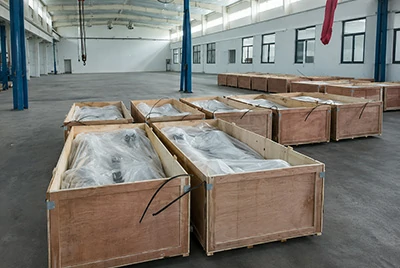
Chalco uses PE film, kraft paper, EPE foam, and soft separators for individual wrapping based on product form. Isolation layers are added between plates and mesh, rods and tubes are internally supported, and threads, cables, busbars, and welded joints receive dedicated protection.
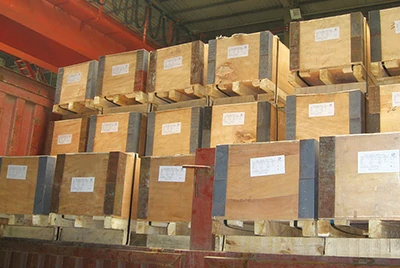
After secure fixation, products are packed into sealed plywood cases to minimize abrasion or deformation during long-haul ocean or air freight and repeated handling.
Delivery documents may include, depending on the order and agreed inspection scope:
- Commercial invoice
- Packing list
- Titanium substrate MTC
- Certificate of Conformity (CoC)
- Dimensional inspection report
- Coating or electrochemical test record
- Product label and batch number
- Certificate of Origin on request
- Packing and dispatch photos
Shipping method is determined by size, weight, destination, and delivery schedule. Small sample batches can be sent via courier or air freight; standard orders may use air or sea freight; and long tubular, rod-shaped, or frame components are typically better suited for sea freight. MOQ, lead time, packaging method, and required documentation are all confirmed per order.
Please specify the destination country, delivery timeline, packaging constraints, and required documents in your RFQ so we can confirm the appropriate export packaging and shipping solution.
Frequently asked questions
Is an Ir-Ta anode the same as a Ru-Ir anode?
No. Ir-Ta MMO anodes are primarily used for acidic electrolysis and oxygen evolution, whereas Ru-Ir MMO anodes are suitable for chlorine evolution in brine or high-chloride environments. Selection should be based on the dominant anodic reaction and electrolyte composition.
Which anode is used for electrolytic copper foil?
Ir-Ta coated titanium anodes are typically used in acidic copper sulfate systems. They are insoluble and dimensionally stable, maintaining consistent electrode gap and current distribution. Final specifications should be confirmed based on electrolyte composition, cathode drum size, current density, and target foil thickness.
What iridium loading and current density should I specify?
This depends on your electrolyte, target current density, and design life. Chalco can optimize iridium loading based on operating conditions, with final values subject to the MTC.
What service life can I expect?
Service life depends on electrolyte composition, temperature, current density, and coating configuration. Accelerated life testing (ALT) or witness samples from the same furnace are for reference only; actual field life should be verified based on real operating conditions and the MTC.
Can an Ir-Ta titanium anode be recoated?
Yes. The titanium substrate is reusable. After removing the old coating, it can undergo recoating or reactivation to extend the anode's service life and reduce long-term costs.
Can Chalco supply custom shapes such as mesh, rod, tube or basket?
Yes. Chalco offers plates, mesh, perforated plates, rods, wires, tubes, baskets, and custom assemblies, supporting build-to-drawing customization based on drawings, dimensions, and current distribution requirements.
Request a quote or datasheet
Chalco provides tailored consultation and specification confirmation for each type of Ir-Ta anode.
Customers can submit the following information to enable our engineers to recommend the most suitable anode configuration:
- Electrolyte composition and pH
- Target and peak current density
- Design life and operating temperature
- Cathode geometry and available anode installation space
- Selected anode form (plate, mesh, rod, tube, basket, or custom assembly)
- Expected active coated area and quantity
- Any drawings or CAD files
- Required MTC, CoC, or other inspection documents


