

Nitinol Cable for Medical Device Applications
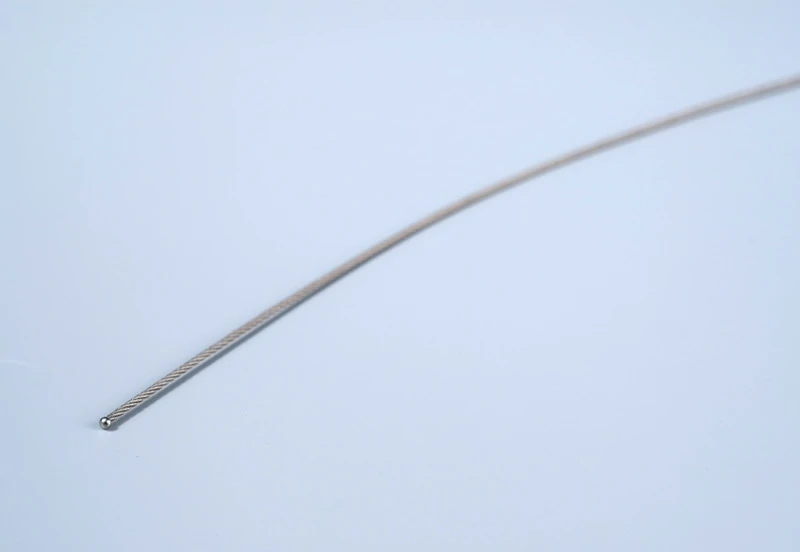
Updated : Sep. 4, 2026Nitinol cable, also known as Nitinol stranded cable, is precision-stranded from multiple Nitinol wires and is available in 1×3 and 1×7 configurations. It is suitable for precision medical device components requiring flexible control, stable force transmission, and compact structural design. Cable diameter, length, and surface condition can be customized.
Chalcotitanium Nitinol Cable Features
1×3 / 1×7 stranded structures: Different configurations are available to meet flexibility and structural stability requirements.
Nitinol performance advantages: High strength, superelastic recovery, and corrosion resistance.
Flexible specification options: Dimensions, length, surface condition, and other features can be customized.
Medical device application support: Suitable for precision components used in endoscopic, orthopedic, and dental instruments.
Nitinol Cable Structures and Specifications
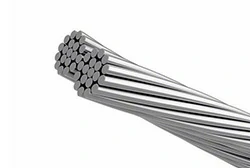
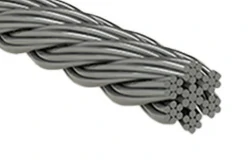
Nitinol cable uses a multi-strand structure and is available in configurations such as 1×3 and 1×7. The configuration can be matched to device space, flexibility requirements, and force-transmission needs.
1×3 Nitinol Cable
-
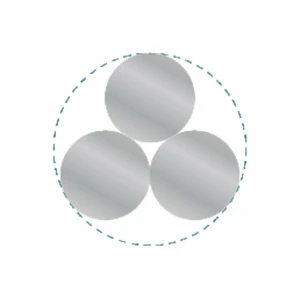
A compact structure stranded from three Nitinol wires. The 1×3 configuration uses fewer strands and offers relatively high flexibility, making it suitable for component designs with limited space that require flexible movement and precision control.
Key features:
- Compact stranded structure
- Relatively high flexibility
- Suitable for small precision components
1×7 Nitinol Cable
-
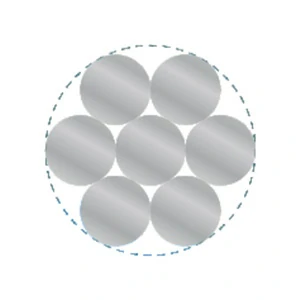
The 1×7 configuration combines more individual wires than the 1×3 structure and can provide better structural stability. It is suitable for applications requiring more stable force transmission and mechanical performance.
Key features:
- Multi-strand structure improves stability
- Better suited to force-transmission requirements
- Suitable for complex moving components
Nitinol Cable Specifications
| Item | Details |
| Cable Structure | 1×3 / 1×7 |
| Cable Diameter | 0.3–0.8 mm (typical) |
| Dimensional Tolerance | +0.03~+0.06 mm |
| Surface Finish | Bright / Black Oxide |
| Length | Customizable |
| Packaging | Spool / Cut length |
Nitinol Cable Performance and Quality Information
Nitinol cable combines the properties of Nitinol with a multi-strand design to provide stable mechanical properties and flexible force-transmission capability for precision medical device components. Specific performance values can be confirmed based on cable structure, dimensions, and project requirements.
| Property | Typical Value |
| Tensile Strength | ≥1000 MPa |
| Upper Plateau Strength | ≥400 MPa |
| Elongation | ≥10% |
| Residual Strain at 6% Strain | ≤0.5% |
*Test temperature: 22±2°C
Nitinol Cable Applications in Medical Devices
With its Nitinol material properties and multi-strand design, Nitinol cable can be used in medical device components requiring flexible movement, precision control, and stable force transmission. A matching cable configuration and custom solution can be provided based on the device structure and operating requirements.
Endoscopic Instruments
Flexible control cable for distal instrument movement
Internal drive structure for force transmission and mechanical linkage
Custom-dimension cable matched to compact instrument designs
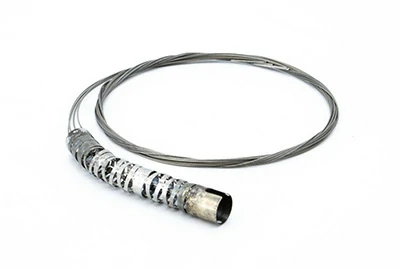
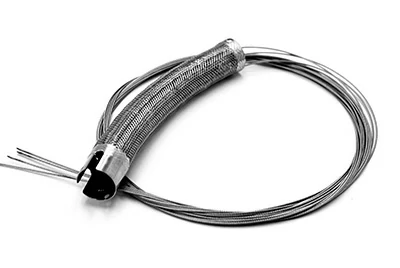
Orthopedic Instruments
Flexible connection components
Precision mechanical transmission structures
Cable specifications customized to instrument space requirements
Dental Instruments
Compact flexible-mechanism components
Precision motion-control components
Custom length and structure options
Custom Nitinol Cable Solutions
Medical device projects have different cable-structure, dimensional, and performance requirements. Custom support can be provided from specification confirmation and sample development through volume delivery based on customer design requirements. Custom options include:
Structure options: 1×3, 1×7, and other stranded configurations are available to match flexibility and structural stability requirements.
Dimensional customization: Cable diameter and related dimensions can be confirmed based on design requirements.
Length customization: Cut lengths or specified packaging formats are available to meet different assembly requirements.
Surface condition options: Bright and black oxide surface conditions are available.
Manufacturing Capabilities and Quality Control
Nitinol cable performance depends not only on the Nitinol material itself but also on material processing, precision wire drawing, stranding, heat treatment, and surface treatment. Based on Nitinol material processing and precision forming capabilities, we can support project needs from specification confirmation and structure development through quality inspection.
Manufacturing Capabilities
Nitinol material processing: Support is available for Nitinol material processing and Nitinol cable product development.
Precision wire drawing: Precision drawing controls wire dimensions and surface condition, providing a stable basis for subsequent stranding.
Cable stranding and forming: Multi-strand cable configurations such as 1×3 and 1×7 are supported, with different structural options matched to product design requirements.
Heat treatment and surface treatment: Heat treatment and surface treatment processes are used to control material properties and surface condition for different application requirements.
Quality Control and Technical Documentation
Relevant quality documentation and inspection support can be provided as required for medical device and precision-component projects.
- ISO 9001 quality management system
- ISO 13485 medical device quality management system
- Material information and batch traceability
- Mechanical property testing
- Product inspection reports
How to Select the Right Nitinol Cable
Nitinol cable selection typically requires the following parameters to be confirmed based on device design, operating environment, and purchasing requirements:
| Selection Parameter | Details to Confirm |
| Structure | Select a 1×3, 1×7, or other stranded configuration |
| Diameter | Confirm cable dimensions based on installation space and flexibility requirements |
| Application | Match the solution to endoscopic, orthopedic, dental, or other application requirements |
| Surface Finish | Select a bright or black oxide surface |
| Length | Confirm the required cut length or supply format |
| Quantity | Provide sample-testing or volume-purchase requirements |
Share your TiNi cable requirements to evaluate the suitable structure and specifications for your application.
Nitinol Cable vs. Stainless Steel Cable
Nitinol cable combines Nitinol material properties with a multi-strand design. Compared with conventional metal cable, it has different performance characteristics in precision components requiring flexible movement, compact installation, and repeated operation.
| Comparison Item | Nitinol Cable | Stainless Steel Cable |
| Material | Nitinol | Stainless steel |
| Flexibility | Suitable for complex bending and compact structures | Relatively high stiffness |
| Elastic Recovery | Superelastic recovery characteristics | Primarily relies on metal elasticity |
| Space Adaptability | Suitable for small precision components | Commonly used for general mechanical transmission |
| Application | Flexible control components in medical devices | General-purpose mechanical cable structures |
FAQ
1. What is Nitinol cable used for?
Nitinol cable is mainly used in medical device components requiring flexible movement, precision control, and stable force transmission, such as flexible connections, drive mechanisms, and precision moving components in endoscopic, orthopedic, and dental instruments.
2. What is the difference between 1×3 and 1×7 Nitinol cable?
A 1×3 Nitinol cable is stranded from three Nitinol wires, providing a more compact structure for applications with higher flexibility requirements. A 1×7 Nitinol cable consists of seven Nitinol wires and offers greater structural stability for components requiring more stable force transmission.
3. What is the difference between Nitinol cable and stainless steel cable?
Nitinol cable uses a multi-strand Nitinol structure to provide good flexibility and superelastic recovery. It is suitable for precision medical device components with demanding space, motion-control, and repeated-bending requirements. Stainless steel cable typically has greater stiffness and is more commonly used for general mechanical transmission and structural applications.
4. Can you provide custom Nitinol cable sizes?
Yes. Nitinol cable can be customized to project requirements, including cable structure, diameter, length, and surface condition. Customers can provide drawings, samples, or application requirements so that a suitable product solution can be confirmed.
5. What surface finishes are available for Nitinol cable?
Nitinol cable is available with different surface conditions, including bright and black oxide finishes. The appropriate option can be selected based on product design, assembly requirements, and the operating environment.
6. Can you provide material certificates and inspection reports?
Relevant quality documents can be provided based on project requirements, including material information, mechanical property test reports, and batch traceability records to support product validation and supply chain management.
Request a Custom Nitinol Cable Solution
We can provide custom Nitinol cable solutions for medical device and precision-component projects. Please provide the product structure, dimensional requirements, and application information so that specifications can be confirmed and a solution can be evaluated based on project requirements.
Please provide the following information:
- Cable structure (1×3 / 1×7)
- Diameter requirements
- Length requirements
- Surface condition
- Application
- Purchase quantity
- Drawing or sample, if available
Share your design requirements or drawing with our team to evaluate the suitable TiNi cable structure and specifications for your application.


