

Seawater Antifouling and MGPS Solutions
Updated : Jul. 23, 2026Chalco Titanium provides MMO-coated titanium anodes and anode assemblies for seawater antifouling, MGPS, and seawater electrochlorination equipment.
Ru-Ir MMO titanium anodes are suitable for chlorine evolution reactions in seawater, brine, and other chloride-containing water bodies, enabling on-site generation of active chlorine or sodium hypochlorite to inhibit marine biofouling and reduce the risk of blockages in seawater pipelines, heat exchangers, cooling systems, and intake systems.
Chalco Titanium's MMO titanium anodes and anode assemblies can be integrated into shipboard seawater systems, seawater desalination pretreatment units, coastal power plant cooling water systems, offshore platform intake systems, and MGPS-related equipment.
Why do seawater systems need antifouling treatment?
- Marine biofouling: Barnacles, mussels, algae, and microorganisms easily attach to sea chests, intakes, filters, pumps, cooling water pipelines, and the interiors of heat exchangers and condensers.
- Pipeline blockage: Marine growth and biofouling gradually narrow seawater flow channels, causing reduced flow rates, increased pressure differentials, and localized blockages.
- Reduced heat transfer efficiency: Marine organisms and deposits adhering to the surfaces of heat exchangers, condensers, and cooling pipelines impair thermal performance and increase system operating loads.
- Increased maintenance costs: Pipeline cleaning, filter replacement, system shutdowns for repairs, and manual maintenance all become more frequent due to fouling issues.
- Reduced system reliability: Blockages in seawater systems on ships, offshore platforms, desalination plants, coastal power stations, and LNG terminals can compromise cooling stability and continuous operational safety.
- Proactive antifouling treatment: MGPS, seawater electrochlorination, and on-site sodium hypochlorite generation systems treat seawater before it enters pipelines or circulation systems, helping to reduce the risk of marine organism attachment.
Recommended coating systems
Ru-Ir MMO coating: Suitable for chlorine evolution reactions in seawater, brine, and other chloride-containing water bodies; applicable to seawater electrochlorination, on-site sodium hypochlorite generation, and electrolytic seawater antifouling systems.
Primary reaction direction: Focused on chlorine evolution to help seawater systems generate active chlorine or sodium hypochlorite for inhibiting barnacle, mussel, algal, and microbial attachment.
Applicable equipment: Can be used in MGPS-related electrolytic cells, membrane-free sodium hypochlorite electrolyzers, seawater electrochlorination units, seawater desalination pretreatment equipment, and pressurized water treatment systems.
Applicable media: Suitable for seawater, brine, salt water, and chloride-containing water; not recommended for general water electrolysis or oxygen evolution applications without careful evaluation.
Available MMO titanium anode structures
-
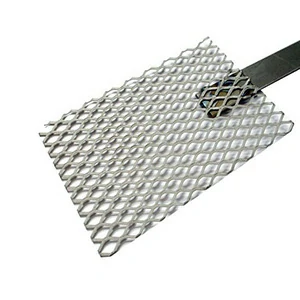 Titanium mesh anode
Ideal for flow-through seawater electrolyzers and equipment requiring large reaction surface areas, facilitating seawater flow, uniform current distribution, and gas bubble release.
-
 Titanium plate anode
Suitable for membrane-free sodium hypochlorite electrolyzers, pressurized water treatment equipment, and standard electrolytic cells; offers structural stability, easy installation, and seamless integration into equipment.
-
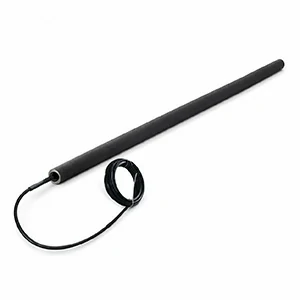 Titanium tube anode
Ideal for tubular electrolyzers, compact seawater electrolysis units, and small flow-through systems; easily integrated into space-constrained equipment designs.
-
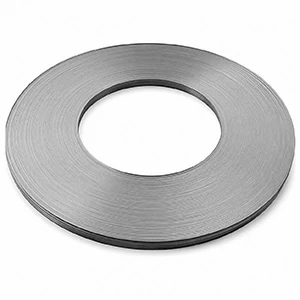 Titanium ribbon anode
Suitable for linear arrangements, uniform current distribution, and anode assembly connections; can be used in seawater pipeline antifouling devices and custom electrolytic structures.
In addition to MMO titanium anodes, Chalco Titanium also supplies titanium frames, supports, and connection structures for anode fixation, electrical conduction, and component support-ideal for MGPS anode assemblies, large electrolytic cells, and equipment retrofit projects.
Common technical approaches for seawater antifouling and MGPS
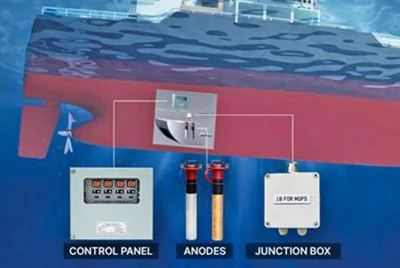
Metal ion-based MGPS / ICAF: Releases copper, aluminum, or iron ions from sacrificial anodes to inhibit attachment of barnacles, mussels, algae, and other marine organisms in sea chests, filters, cooling water pipelines, and heat exchangers.
Seawater electrochlorination: Uses chloride ions naturally present in seawater; with Ru-Ir MMO titanium anodes driving chlorine evolution reactions to generate active chlorine on-site for antifouling treatment of seawater pipelines and circulating water systems.
On-site sodium hypochlorite generation: Produces low-concentration sodium hypochlorite via electrolysis of seawater or brine for use in intake and cooling systems on ships, desalination plants, coastal power stations, and offshore platforms.
MMO titanium anode assemblies: Suitable for chlorine-evolution-type MGPS systems, membrane-free sodium hypochlorite electrolyzers, seawater desalination pretreatment equipment, and pressurized water treatment devices.
Working principle
- Seawater enters the electrolytic cell: Seawater or brine flows into the MGPS electrolytic unit, seawater electrochlorination device, or sodium hypochlorite generator.
- DC power supply activation: A stable electric field is established between the MMO titanium anode and cathode, enabling chloride ions in seawater to participate in electrochemical reactions.
- Chlorine evolution at Ru-Ir MMO titanium anode: The Ru-Ir MMO coating is optimized for chlorine evolution in chloride-containing media, supporting on-site generation of active chlorine or sodium hypochlorite.
- Low-concentration antifouling treatment: The generated active chlorine is carried by seawater into pipelines, cooling systems, heat exchangers, or intake systems to suppress marine biofouling.
- Reduced blockage and maintenance: Continuous antifouling treatment helps mitigate biofouling risks from barnacles, mussels, algae, and microorganisms, minimizing pipeline blockages, loss of heat transfer efficiency, and frequent cleaning requirements.
- Anode structure matching: Chalco Titanium selects appropriate anode types-titanium mesh, plate, tube, ribbon, or assembled components-based on electrolyzer design, seawater flow rate, installation space, and electrical parameters.
Applicable seawater systems and antifouling locations
Shipboard seawater systems
Used for antifouling at sea chests, seawater intakes, filters, pumps, cooling water pipelines, heat exchangers, and condensers to reduce barnacle, mussel, and algal attachment.
Contact us now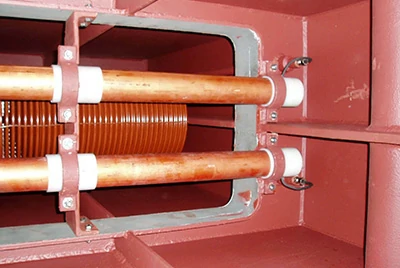
MGPS equipment integration
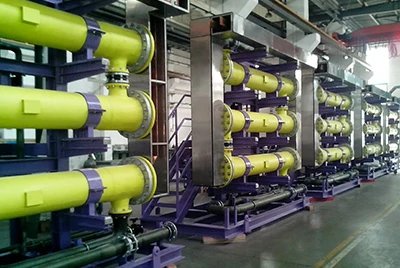
Suitable for supplying MMO titanium anodes, titanium mesh anodes, titanium ribbon anodes, and anode assemblies for chlorine-evolution-type MGPS systems.
Contact us nowSeawater desalination pretreatment
Applied at the desalination feedwater inlet to reduce biofouling risks in filtration systems, pre-membrane units, and heat exchange equipment.
Contact us now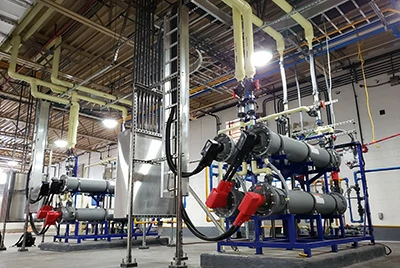
Coastal power plant cooling water
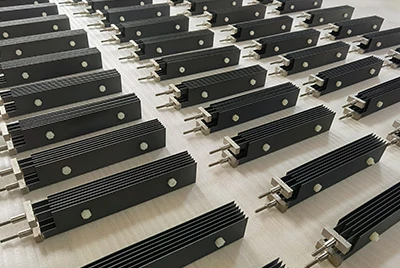
Used in seawater recirculating cooling systems to minimize marine organism attachment in intake pipelines, cooling water lines, and heat exchange equipment.
Contact us nowOffshore platform intake systems
Ideal for long-term operation in offshore seawater intake and cooling water systems, helping to reduce pipeline blockage and frequent maintenance needs.
Contact us now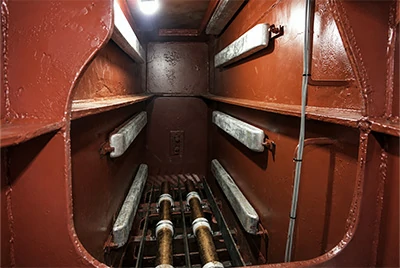
LNG terminals and industrial seawater systems
Used in continuous intake, cooling, and heat exchange systems to maintain stable seawater flow paths and minimize the impact of biofouling on equipment operation.
Contact us nowIntegrated solutions and equipment supply: Chalco Titanium not only offers MMO titanium anode selection, antifouling strategies, and anode assemblies, but can also supply seawater electrochlorination equipment, sodium hypochlorite electrolyzers, titanium frames, connection hardware, and related water treatment systems based on project requirements-enabling seamless integration from electrodes to complete equipment.
How to select the right seawater antifouling solution
- System type: First determine whether the equipment belongs to an MGPS, electrochlorination system, sodium hypochlorite generation system, seawater desalination pretreatment unit, or industrial cooling water antifouling system.
- Antifouling method: If the system relies on copper, aluminum, or iron ions to inhibit marine biofouling, confirm the appropriate metal anode material; if it uses electrolytic chlorine generation, prioritize Ru-Ir MMO titanium anodes.
- Seawater conditions: Salinity, chloride concentration, temperature, flow rate, and impurity levels affect anode coating performance, reaction efficiency, and system stability.
- Target chlorine output: The required production of active chlorine or sodium hypochlorite determines anode surface area, current output, electrolyzer design, and overall equipment configuration.
- Installation structure: Select titanium plate, mesh, tube, ribbon anodes, or combined assemblies based on electrolyzer space, pipeline layout, mounting holes, wiring methods, and maintenance access.
- Operational requirements: Continuous runtime, current density, voltage range, maintenance intervals, and design life influence coating loading, anode structure, and equipment selection.
- Existing equipment retrofit: For clients with existing MGPS, electrochlorination units, or sodium hypochlorite electrolyzers, provide photos, dimensions, wiring details, and installation drawings of old anodes for replacement evaluation.
- Full integration: Chalco Titanium can supply MMO titanium anodes, antifouling solutions, anode assemblies, electrolyzers, and related seawater treatment equipment tailored to operating conditions-delivering end-to-end compatibility from electrode to system.
Quotation and project confirmation information
- Application equipment: Specify whether it's for MGPS, electrochlorination equipment, sodium hypochlorite generation systems, seawater desalination pretreatment, or industrial cooling water antifouling systems.
- Seawater conditions: Provide salinity, chloride concentration, temperature, flow rate, and operating environment to assess suitability of Ru-Ir MMO coating and anode structure.
- Target chlorine output: Specify required active chlorine or sodium hypochlorite production to size anode area, current output, and electrolyzer configuration.
- Power supply parameters: Provide operating current, voltage range, and operational mode to verify anode loading, connection design, and equipment compatibility.
- Installation dimensions: Provide electrolyzer size, pipeline space, mounting hole positions, wiring locations, and fixation methods to confirm whether plate, mesh, tube, ribbon, or assembled structures are needed.
- Old anode information: Photos, dimensions, coating type, service duration, and failure mode of existing anodes support replacement assessment and retrofit planning.
- Equipment compatibility requirements: Specify whether only MMO titanium anodes are needed, or if anode assemblies, electrolytic cells, titanium frames, connectors, power supplies, or complete seawater antifouling systems are required.
- Quality documentation: Material certificates, dimensional inspection records, coating inspection records, factory test reports, and related quality documents can be provided according to project requirements.
Frequently asked questions
Can MMO titanium anodes be used in MGPS?
Yes, but the MGPS technical approach must first be confirmed. Traditional MGPS/ICAF systems typically use copper, aluminum, or iron anodes to release metal ions; if the system employs seawater electrolysis for chlorine generation or on-site chlorination, Ru-Ir MMO titanium anodes can serve as the core electrode component.
Why is Ru-Ir MMO coating commonly used for seawater antifouling?
Seawater and brine contain chloride ions, and Ru-Ir MMO coatings are well-suited for chlorine evolution reactions, enabling on-site generation of free chlorine or sodium hypochlorite for antifouling treatment in seawater systems.
How to choose between titanium mesh anodes and titanium plate anodes?
Titanium mesh anodes are suitable for flow-through electrolytic equipment, as they facilitate water flow, current distribution, and gas bubble release. Titanium plate anodes are better suited for electrolytic cells with regular geometry, stable mounting, and clearly defined spatial constraints.
What types of equipment are titanium tube anodes suitable for?
Titanium tube anodes are suitable for tubular electrolytic cells, compact seawater electrolysis units, small flow-through systems, and certain pressurized water treatment devices.
Can old anodes be replaced?
The dimensions, structure, hole pattern, wiring method, and failure condition of the old anode must first be evaluated. Chalco Titanium can determine-based on photos, drawings, or sample information-whether it can supply replacement MMO titanium anodes, titanium frames, and connection components.
Can Chalco Titanium provide complete equipment?
Yes. In addition to MMO titanium anodes and anode assemblies, Chalco Titanium can also supply membrane-free sodium hypochlorite electrolytic cells, seawater chlorination units, and related water treatment equipment according to project requirements.
What information is needed for a quotation?
It is recommended to provide details such as the application equipment, seawater flow rate, salinity, target free chlorine output, current and voltage parameters, installation dimensions, drawings, or photos of the existing anode to enable rapid confirmation of anode structure and equipment configuration.


