

Sodium Hypochlorite Generator Titanium Anode
Updated : Jul. 16, 2026A sodium hypochlorite generator titanium anode is the core electrode used to produce chlorine from brine, seawater, or other chloride-containing solutions. Working with a cathode, DC power supply, and electrolyzer cell, it generates available chlorine on site for water disinfection, microbial control, algae removal, and industrial water treatment.
Chalco Titanium supplies Ru-Ir MMO titanium anode plates, mesh anodes, tubular anodes, and complete electrode assemblies. Each design can be tailored to the required chlorine output, salinity, current density, cell dimensions, electrode spacing, and connection method. Our anodes are available for new systems, replacement projects, and custom electrolyzer cells.
Ru-Ir MMO Titanium Anode Solutions for Sodium Hypochlorite Generators
Ru-Ir MMO titanium anodes drive the chlorine evolution reaction in sodium hypochlorite generators and electrolytic chlorination systems. Combined with the cathode, DC power supply, and electrolyzer cell, they produce available chlorine on site from brine, seawater, or other chloride-containing solutions.
Every chlorination system operates under different conditions. Salinity, current density, temperature, chlorine output, and cell geometry all affect anode selection. Based on these parameters, Chalco Titanium can recommend the coating system, anode type, active coating area, dimensions, mounting holes, tabs, and electrode assembly.
- Determine a suitable chlorine-evolution coating system for brine, seawater, or chloride-containing media
- Determine the anode dimensions and coated area based on chlorine output, current density, and operating temperature
- Determine the electrode design based on electrolyzer cell dimensions, electrode spacing, flow direction, and available installation space
- Determine hole positions, tabs, and connection methods from equipment drawings, existing electrode samples, or site photographs
Custom Titanium Anode Configurations
Chalco Titanium can supply a range of Ru-Ir MMO titanium anodes for sodium hypochlorite generators, salt chlorinators, and other electrolytic chlorination equipment. Plate, mesh, and tubular designs can be customized according to cell geometry, flow direction, available installation space, connection method, and required chlorine output.
-
Titanium Anode Plates

Suitable for plate-type electrolyzer cells, conventional NaClO generators, and electrolytic disinfection equipment for water treatment. Dimensions, hole positions, tabs, and coated areas can be customized.
-
Titanium Anode Mesh
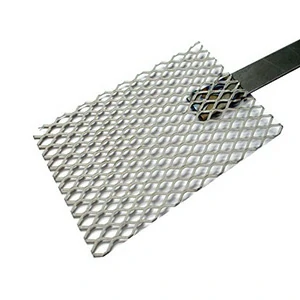
Suitable for electrolyzer cells requiring a larger effective reaction area, good fluid permeability, or a lightweight structure. It can be used in brine electrolysis and electrolytic disinfection modules.
-
Tubular Titanium Anodes
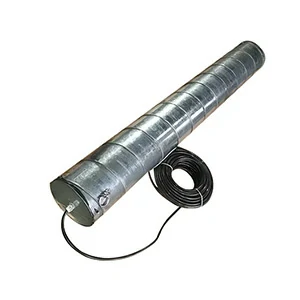
Suitable for tubular electrolyzer cells, cylindrical reactors, compact electrolysis modules, and seawater electrochlorination systems. Designs can be customized to the flow path and mounting method.
-
Titanium Cathodes and Connection Components
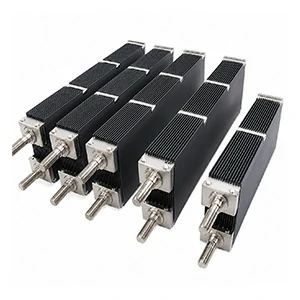
Cathodes, conductive connectors, tabs, brackets, and mounting structures can be supplied to match the electrolyzer cell design and facilitate combined installation of the anode and cathode.
-
Titanium Electrode Assemblies
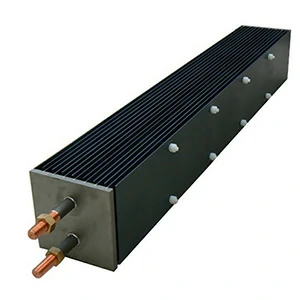
Assemblies can combine anodes, cathodes, titanium frames, brackets, connectors, and electrical connection structures for new equipment, replacement of existing electrodes, and modification of non-standard electrolyzer cells.
-
Electrolyzer Cell Components
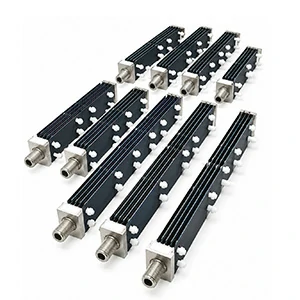
Components can be customized according to electrolyzer cell dimensions, electrode spacing, flow direction, mounting method, and wiring method for integration into NaClO generators and electrolytic chlorination equipment.
Ru-Ir MMO and Chlorine-Evolution Coating Solutions
Ru-Ir MMO is a commonly used chlorine-evolution coating for sodium hypochlorite generators, salt chlorinators, and seawater electrochlorination systems. It is suitable for electrolytic chlorine generation from brine, seawater, and other chloride-containing solutions. Chalco Titanium can determine a suitable titanium-based coating system according to the electrolyte type, NaCl concentration, chloride ion concentration, current density, operating temperature, and required design life.
-
Ru-Ir MMO Coating
Suitable for sodium hypochlorite generators, electrolytic chlorine generation from brine, salt chlorinators, and conventional water disinfection equipment, offering good chlorine-evolution activity and operating stability.
-
Ir-Ta MMO Coating
Suitable for certain electrochemical environments requiring higher corrosion resistance and long-term stability. Suitability can be determined according to water quality and operating conditions.
-
Pt-Coated Titanium Anodes
Suitable for certain specialized water electrolysis systems, small disinfection units, or special electrolyte environments. Designs can be customized according to project requirements.
Chalco Titanium can also adjust the coating system and coated area according to the electrolyte, current density, required chlorine output, and service life requirements. Composite MMO coatings are available for project-specific operating conditions.
These coatings are not direct substitutes for one another. A suitable option should be determined according to salinity, current density, temperature, chlorine output, and cell design. For replacement projects, the original anode coating type, service life, and failure condition can also be reviewed to determine a suitable coating system.
Complete Equipment and Electrolytic Chlorination Modules
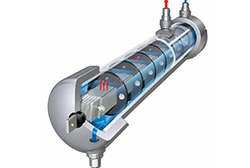
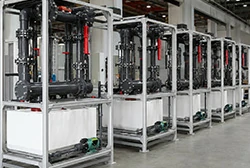
In addition to Ru-Ir MMO titanium anodes and electrode assemblies, Chalco Titanium can supply electrolyzer cells, chlorine-generation modules, and components for electrolytic disinfection equipment associated with sodium hypochlorite generators, according to project requirements.
Custom Electrode Assemblies and Replacement Titanium Anodes
Chalco Titanium can supply custom electrode assemblies and replacement titanium anodes according to the structural requirements of sodium hypochlorite generators, electrolytic chlorination equipment, seawater electrochlorination systems, and other electrochemical equipment. Based on electrolyzer cell drawings, existing electrode samples, site photographs, or operating parameters, we can determine a suitable titanium substrate form, coating system, connection structure, and assembly method.
1. Titanium anodes can be customized according to electrolyzer cell drawings or equipment design.
2. Replacement anodes can be reproduced from existing electrode samples, photographs, or dimensional records.
3. Anode dimensions, hole positions, coated areas, tabs, and connection methods can be customized.
4. Anodes, cathodes, electrode assemblies, and related electrolyzer cell components can be supplied as a matched set.
5. Suitable for new equipment, replacement of existing equipment, system upgrades, and maintenance projects.
For replacement titanium anodes or new electrode assemblies, please provide the electrode drawing, site photographs, dimensions of the existing electrode sample, electrolyte conditions, electrical parameters, mounting method, and equipment structure. Chalco Titanium can assist in determining a suitable electrode structure, coating system, and processing method.
Applications
Ru-Ir MMO titanium anodes can be used in a range of on-site chlorine-generation and water-disinfection systems. Salinity, current density, electrode dimensions, coating life, and electrolyzer cell design vary by application, so the anode solution should be determined according to the equipment and operating conditions.
Sodium Hypochlorite Generators
Ru-Ir MMO titanium anodes, titanium cathodes, electrode assemblies, and electrolyzer cell components are available for on-site NaClO generation equipment and can be customized according to chlorine output, current parameters, and cell design.
Contact us now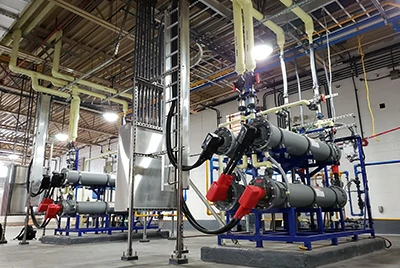
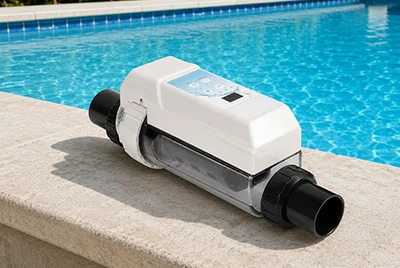
Salt Chlorinators
Plate, mesh, or tubular titanium anodes are available for swimming pools, water parks, and small chlorine-generation systems, including compact electrode assemblies, replacement anodes, and custom connection structures.
Contact us nowSeawater Electrochlorination
Titanium anodes and electrode assemblies suitable for seawater electrochlorination environments are available for vessels, coastal facilities, aquaculture systems, and ballast water treatment. Options include large-area anodes, long-life coatings, and custom fabrication for equipment integration.
Contact us now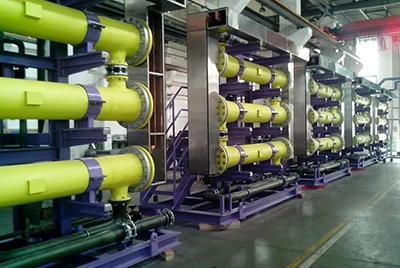
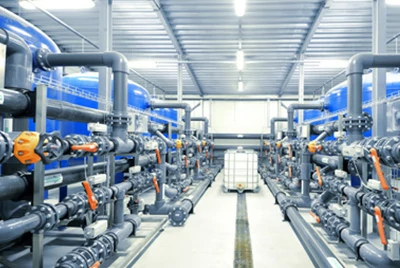
Water Disinfection Equipment
Titanium anodes, electrode modules, and electrolyzer cell components are available for drinking water, wastewater treatment, public health, and industrial water treatment systems. Coating and structural solutions can be determined according to water quality, conductivity, and operating mode.
Contact us nowFor new equipment projects, electrode assemblies can be customized according to electrolyzer cell drawings and design parameters. For maintenance projects involving existing equipment, replacement titanium anodes can be reproduced from existing electrode samples, photographs, or dimensional records to support equipment repair, upgrades, and long-term spare-parts procurement.
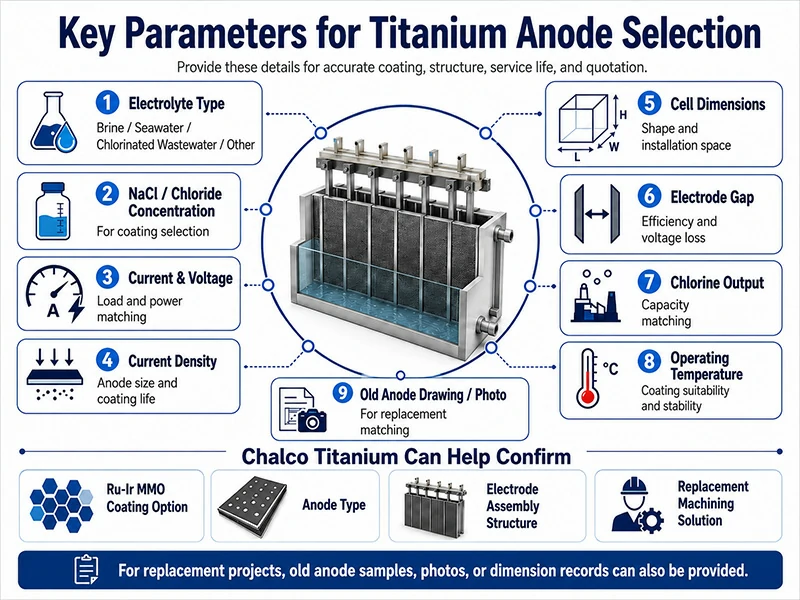
Key Parameters for Titanium Anode Selection
To determine a suitable titanium anode coating, dimensional structure, service life, and quotation plan, please provide the operating data and equipment information below. More complete information helps assess whether the electrode is suitable for the existing electrolyzer cell structure and improves quotation accuracy.
Electrolyte type: Brine, seawater, chloride-containing wastewater, or other electrolytes.
NaCl concentration / chloride ion concentration: Used to assess the chlorine-evolution environment, coating selection, and operating stability.
Current and voltage: Used to determine electrode load, power supply compatibility, and operating conditions.
Current density: Affects anode dimensions, coating life, and chlorine-generation efficiency.
Electrolyzer cell dimensions: Used to determine anode shape, installation space, and electrode assembly design.
Electrode spacing: Affects electrolysis efficiency, voltage consumption, and assembly design.
Required chlorine output: Used to match the anode area, current parameters, and equipment capacity.
Operating temperature: Used to assess coating suitability and long-term operating stability.
Existing electrode drawings or photographs: Suitable for replacement projects and can be used to reproduce dimensions, hole positions, tabs, and connection methods.
Chalco Titanium can determine the Ru-Ir MMO coating solution, titanium anode configuration, electrode assembly design, and replacement manufacturing method based on the above parameters. For existing equipment maintenance projects, customers may also provide existing electrode samples, photographs, or dimensional records, and we can assist in determining a replacement anode solution.
FAQ
1. What coating is used for sodium hypochlorite generator titanium anodes?
Sodium hypochlorite generator titanium anodes typically use a Ru-Ir MMO chlorine-evolution coating suitable for electrolytic chlorine generation from brine, seawater, and other chloride-containing solutions. Chalco Titanium can determine a suitable coating solution according to the NaCl concentration, chloride ion concentration, current density, operating temperature, and required design life.
2. Can you make replacement titanium anodes according to old samples?
Yes. We can reproduce replacement titanium anodes from existing electrode samples, photographs, dimensional records, or electrolyzer cell drawings. Common customization options include anode dimensions, hole positions, tabs, coated areas, connection methods, and electrode assembly design.
3. What information is needed for quotation?
For a quotation, please provide the electrolyte type, NaCl or chloride concentration, current, voltage, current density, cell dimensions, electrode spacing, required chlorine output, operating temperature, and quantity. A cell drawing or photo of the existing electrode will also help us confirm the coating, dimensions, and manufacturing plan.
4. Can titanium anodes be used for seawater electrochlorination?
Yes. Ru-Ir MMO titanium anodes can be used in seawater electrochlorination systems for vessels, offshore facilities, aquaculture, ballast water treatment, and coastal water projects. The actual selection should be determined according to seawater quality, chloride ion concentration, current density, required chlorine output, and electrolyzer cell design.
5. What is the difference between plate, mesh and tubular titanium anodes?
Plate anodes are easy to install in flat electrolyzer cells and conventional NaClO generators. Mesh anodes provide more active surface area and better fluid flow. Tubular anodes fit pipe-style cells, cylindrical reactors, and compact chlorine-generation modules.
6. Why does chlorine output decrease in a sodium hypochlorite generator?
Lower chlorine output may be related to anode coating wear, electrode scaling, insufficient NaCl concentration, abnormal current or voltage, changes in electrode spacing, unstable flow, or blockage inside the electrolyzer cell. For maintenance projects involving existing equipment, operating parameters, photographs of the existing electrode, and electrolyzer cell information can help determine whether the anode should be replaced or the electrode assembly adjusted.
Send Your Electrolyzer Cell Drawing Or Old Electrode Photo
If you are developing a new sodium hypochlorite generator or electrolytic chlorination system, or need to replace an existing titanium anode, please send us the electrolyzer cell drawing, existing electrode photographs, or project parameters. Chalco Titanium can assist in determining the Ru-Ir MMO titanium anode, titanium cathode, electrode assembly, electrolyzer cell components, and replacement processing solution according to the actual operating conditions.
Recommended information:
- Electrolyzer cell drawing or structural diagram
- Photographs, samples, or dimensional records of the existing electrode
- Electrolyzer cell dimensions and electrode spacing
- Required chlorine output
- Current, voltage, and current density
- Electrolyte type, NaCl concentration, or chloride ion concentration
- Purchase quantity and project stage
With this information, we can confirm the anode type, active coating area, mounting holes, tabs, electrical connections, assembly design, and quotation.


