

Titanium Anodes for Wastewater Treatment and Electrocatalytic Oxidation
Updated : Jul. 16, 2026A wastewater-treatment titanium anode is an insoluble anode used in electrochemical and electrocatalytic oxidation, electrolytic decolorization, COD reduction, ammonia-nitrogen treatment, disinfection, and selected metal-recovery systems. It is commonly used for industrial wastewater, high-salinity wastewater, landfill leachate, dyeing wastewater, pharmaceutical and chemical wastewater, and electroplating wastewater.
Based on the wastewater type, treatment objective, electrolyzer design, and operating parameters, we can customize Ru-Ir MMO, Ir-Ta MMO, PbO₂, and graphene composite-coated titanium anodes. Titanium anode plates, mesh, tubular anodes, electrode assemblies, and cell components are available for laboratory, pilot, and engineering-scale electrocatalytic oxidation equipment.
Wastewater-Treatment Projects Suitable for Custom Titanium Anodes
Titanium anodes for electrocatalytic oxidation and electrochemical advanced oxidation generally require customization to the wastewater composition, cell design, and operating parameters. We can supply MMO, PbO₂, and graphene composite-coated titanium anodes, electrode assemblies, and cell components for the following projects:
- Industrial wastewater electrocatalytic oxidation / advanced oxidation
- High-salinity wastewater and RO / NF concentrate oxidation
- Refractory COD, ammonia nitrogen, and organic-nitrogen wastewater treatment
- Advanced treatment of landfill leachate
- Dyeing wastewater decolorization and organic oxidation
- Pharmaceutical, chemical, DMF, and amide wastewater treatment
- Chemical-park effluent and biochemical effluent upgrading or retrofit
- Electroplating wastewater, copper-containing waste, and metal-containing waste-liquid treatment
- Laboratory, pilot, and engineering-scale electrocatalytic oxidation equipment
If you have cell or reactor drawings, electrode samples, or equipment parameters, send them to us. We can recommend a suitable coating, anode plate, mesh, tubular anode, electrode assembly, and cell solution based on cell dimensions, electrode spacing, current, voltage, treatment capacity, and water-quality data.
| Evaluation Factor | Information Required | Impact on the Titanium Anode Solution |
| Wastewater Composition | Salinity, chloride, COD, ammonia nitrogen, organic nitrogen, metal ions, suspended solids, hardness, and other components | Affects coating type, oxidation pathway, and electrode maintenance |
| Treatment Objective | COD reduction, decolorization, ammonia-nitrogen removal, disinfection, metal recovery, and effluent upgrading | Affects the coating system and electrode design |
| Electrolyzer Design | Plate or tubular cell, flow path, electrode spacing, and module configuration | Affects selection of anode plates, mesh, tubular anodes, and electrode assemblies |
| Operating Parameters | Current, voltage, current density, temperature, retention time, and circulation method | Affects coating load, oxidation efficiency, and service life |
| Project Stage | Laboratory, pilot, engineering application, or existing-equipment retrofit | Affects the supply of samples, electrode assemblies, cells, or equipment |
Recommended Anode Coating Systems
Titanium anode coatings for wastewater treatment and electrocatalytic oxidation should be selected according to wastewater composition, chloride content, pH, current density, retention time, and treatment objective. Ru-Ir MMO, Ir-Ta MMO, PbO₂, and graphene composite coating options are available for different water-treatment cells and electrocatalytic oxidation equipment.
-
Ru-Ir MMO Coating
Suitable for chloride-containing and high-salinity wastewater, brine systems, disinfection, decolorization, and indirect oxidation. Available as titanium anode plates, mesh, tubular anodes, and electrode assemblies.
-
Ir-Ta MMO Coating
Suitable for acidic, strongly oxidizing, oxygen-evolution, and long-service-life conditions. It can be used in selected advanced oxidation and tertiary treatment applications. Common forms include titanium anode plates, mesh anodes, tubular anodes, and formed anodes.
-
PbO₂ Coating
Suitable for selected refractory organic wastewater, strong oxidation treatment, or metal-recovery conditions. Common configurations include titanium anode plates, mesh, and dedicated electrode assemblies.
In addition to conventional MMO and PbO₂ coatings, graphene composite-coated titanium anodes are available. These electrodes combine a titanium substrate with a precious-metal and graphene composite coating and can be used for selected high-salinity refractory wastewater, industrial wastewater, membrane concentrate, electroplating wastewater, and demanding electrocatalytic oxidation projects. Suitability must be evaluated from wastewater composition, conductivity, chloride content, current density, treatment objective, and cell design.
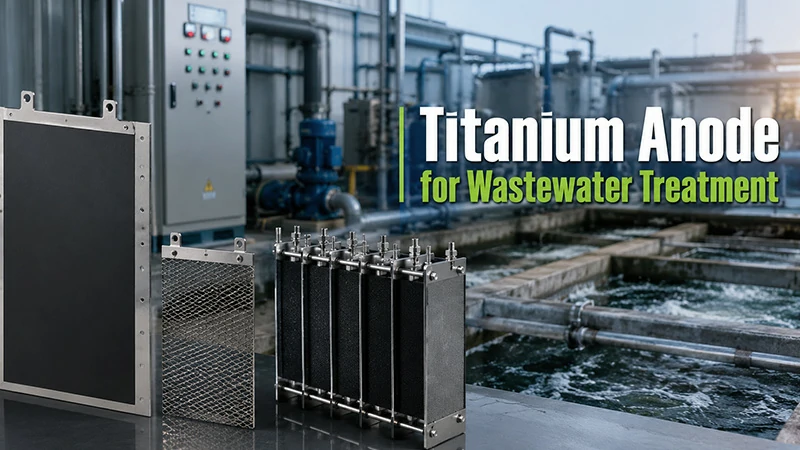
Coating selection generally depends on the following factors:
- Chloride content: Affects the suitability of Ru-Ir or Ir-Ta MMO coatings
- pH and oxidation environment: Acidic, oxygen-evolution, or strongly oxidizing conditions require careful evaluation
- Current density and retention time: Affect oxidation efficiency, coating load, and service life
- Treatment objective: COD reduction, decolorization, ammonia-nitrogen removal, disinfection, and metal recovery
- Electrode structural stability: Bonding among the titanium substrate, interlayer, and active catalytic layer affects long-term operating stability
If the coating type is uncertain, provide wastewater data, the treatment objective, cell design, current, voltage, retention time, and operating environment. We can recommend a suitable coating system and electrode design for the actual conditions.
Titanium Anode Products and Components
For wastewater treatment and electrocatalytic oxidation, titanium anodes and electrode assemblies can be customized to the cell design, treatment capacity, current density, retention time, and installation method. They can be used in new equipment or as replacement anodes for existing cells, reactors, and water-treatment equipment.
-
 Titanium Anode Plates
Suitable for plate-type cells, electrocatalytic oxidation reactors, and assembled electrode structures. Single- or double-sided coated plates can be customized to cell dimensions, electrode spacing, current requirements, and flow direction.
-
 Titanium Anode Mesh
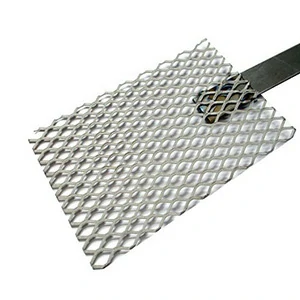
Suitable for wastewater-treatment systems requiring a larger reaction area and good water flow. It is commonly used in electrochemical water treatment, electrolytic oxidation, decolorization, COD reduction, and ammonia-nitrogen treatment.
-
 Tubular / Formed Anodes
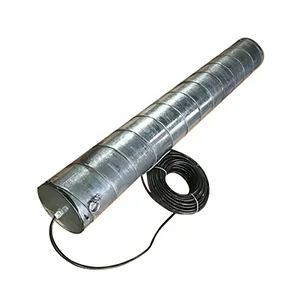
Suitable for tubular cells, special flow paths, and non-standard water-treatment equipment. Titanium tube, rod, probe, and other formed anodes can be customized to the equipment design.
-
 Electrode Assemblies and Anode Components
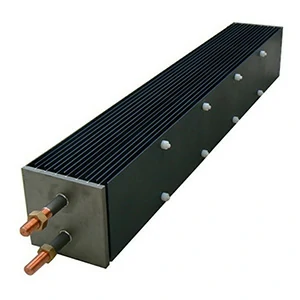
Anodes, cathodes, titanium frames, brackets, connectors, and electrical connection structures can be combined into modules suitable for cell installation and used in laboratory, pilot, and engineering-scale equipment.
-
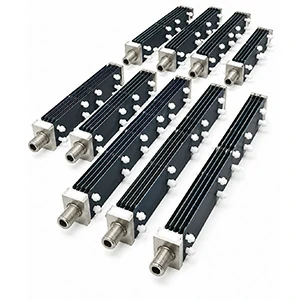 Matching Electrolyzer Cell Components
Titanium anodes, electrode assemblies, and structural parts are available for water-treatment cells, electrocatalytic oxidation cells, and electrochemical equipment. Customization from drawings, samples, or equipment parameters is available.
Selection Guidelines
- Plate-type cells: Titanium anode plates are generally preferred
- Regular tank geometry: Titanium anode mesh can increase reaction area and water contact
- Tubular or non-standard flow paths: Tubular or formed anodes can be used
- Modular equipment or pilot systems: Electrode assemblies or matching cell components can be considered
All products can be customized for cell dimensions, electrode spacing, current requirements, flow direction, installation method, single- or double-sided coating, configuration, and assembly design.
Matching Complete Equipment
In addition to individual anodes and electrode assemblies, water-treatment cells, electrocatalytic oxidation modules, and matching electrochemical equipment solutions are available for laboratory testing, pilot validation, and engineering applications.
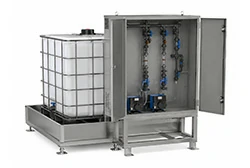
Water-Treatment Electrolyzer Cells
Can be customized to treatment capacity, cell dimensions, electrode quantity, inlet and outlet arrangement, and mounting structure.
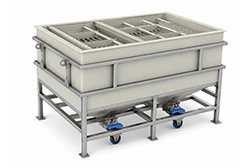
Electrocatalytic Oxidation Cells
Can be supplied with MMO-coated plates, mesh, tubular anodes, or electrode assemblies and support non-standard structural designs.
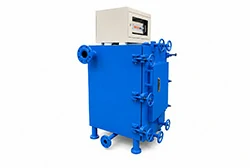
Electrochemical Water-Treatment Equipment
Can include electrode assemblies, cells, DC power supplies, control systems, and connections based on project requirements.
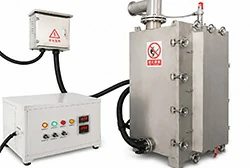
Electrochemical Water-Treatment Unit
Supports combined design of electrodes, cells, water circuits, power supplies, and controls for complete equipment integration.
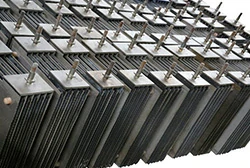
Electrocatalytic Oxidation Electrode Assemblies
Can be used for sample testing and process validation, with low-flow, modular, and adjustable-parameter designs.
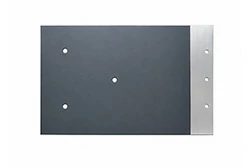
Titanium Anode Plates for Copper Recovery
Can be customized with electrode assemblies and cell structures according to the copper-containing waste-treatment requirements.
Complete equipment solutions for laboratory, pilot, and engineering applications are available based on treatment capacity, inlet and outlet arrangement, cell dimensions, and electrode quantity. Matching power supplies, controls, and water circuits are also available.
Selection Reference Table
Coating, electrode configuration, and assembly requirements vary among wastewater-treatment projects. The following table is an initial reference; the final solution must be determined from water-quality data, cell design, current density, and treatment objective.
| Wastewater / Project Type | Treatment Objective | Coating Reference | Recommended Structure | Available Products |
| Industrial Wastewater | Electrocatalytic oxidation, COD reduction, and advanced treatment | Ru-Ir MMO / Ir-Ta MMO / graphene composite coatings can be evaluated | Titanium anode plates and mesh | MMO titanium anode plates, mesh, and electrode assemblies |
| High-Salinity Wastewater | Oxidation, decolorization, and disinfection | Ru-Ir MMO / Ir-Ta MMO / graphene composite coatings can be evaluated | Titanium anode plates, mesh, and tubular anodes | Titanium anode plates, mesh, tubular anodes, and matching cell components |
| RO / NF Membrane Concentrate | Advanced concentrate treatment and oxidation of refractory pollutants | Ir-Ta MMO / PbO₂ / graphene composite coatings can be evaluated | Titanium anode plates, electrode assemblies, and electrocatalytic oxidation modules | Titanium anodes, electrode assemblies, and cells for advanced oxidation |
| COD / Ammonia-Nitrogen Wastewater | Oxidation of refractory organics, COD reduction, and ammonia-nitrogen control | Ir-Ta MMO / Ru-Ir MMO / PbO₂ / graphene composite coatings can be evaluated | Titanium anode plates, electrode assemblies, and electrocatalytic oxidation modules | Titanium anodes, electrode assemblies, and cells for advanced oxidation |
| Landfill Leachate | Treatment of refractory organics, color, and ammonia nitrogen | Ir-Ta MMO / PbO₂ / graphene composite coatings can be evaluated | Titanium anode plates and electrode assemblies | Oxide-coated titanium electrodes and assemblies for landfill leachate |
| Dyeing Wastewater | Decolorization and oxidative degradation of organic dyes | Ru-Ir MMO / Ir-Ta MMO / graphene composite coatings can be evaluated | Titanium anode mesh and plates | MMO titanium anode mesh, plates, and electrode assemblies |
| Pharmaceutical / Chemical / DMF / Amide Wastewater | Pretreatment or advanced treatment of complex organic wastewater | Ir-Ta MMO / PbO₂ / graphene composite coatings can be evaluated | Titanium anode plates, formed anodes, and electrode assemblies | MMO titanium anode plates, PbO₂ titanium anodes, and dedicated electrode assemblies |
FAQ
Should I Choose a Ru-Ir or Ir-Ta Coating for Wastewater Treatment?
Ru-Ir MMO coatings are more suitable for chloride-containing, high-salinity, and brine systems and indirect oxidation. Ir-Ta MMO coatings are more suitable for oxygen-evolution, acidic, and strongly oxidizing conditions or applications with higher service-life requirements. Final selection depends on wastewater composition, pH, conductivity, current density, and treatment objective.
Which Coating Is Suitable for High-Salinity Wastewater?
Ru-Ir MMO coatings can generally be considered first. Ir-Ta MMO coatings may also be selected according to the oxidation objective and operating conditions. For complex wastewater, provide salinity, chloride content, conductivity, and the treatment objective for confirmation.
Can These Anodes Be Used for Landfill Leachate?
Yes. Electrocatalytic oxidation titanium anodes can be used for advanced treatment, laboratory validation, or electrolytic oxidation equipment for this complex wastewater. Common options include Ir-Ta and Ru-Ir MMO coatings; PbO₂ coatings can also be evaluated for selected conditions.
How Do I Choose Between Plate and Mesh Anodes?
Titanium anode plates offer a stable structure for plate-type cells and regular installation spaces. Mesh provides a larger specific surface area and good water flow where more reaction area or improved distribution is required. Selection depends on cell design, electrode spacing, flow pattern, and treatment capacity.
Can You Supply Electrode Assemblies or Matching Cells?
Yes. We can supply individual titanium anodes or customize electrode assemblies, titanium frames, brackets, connectors, and water-treatment cell components from drawings, samples, or equipment parameters.
When Is a PbO₂ Coating Suitable?
PbO₂ coatings are suitable for selected refractory organic wastewater, strong oxidation treatment, metal recovery, and special electrochemical conditions. They are not a default choice for general wastewater treatment and should be evaluated separately according to water quality, electrolyte composition, operating conditions, and environmental requirements.
Why Are Titanium Anodes Used for Electrocatalytic Wastewater Treatment?
Titanium anodes offer corrosion resistance, stable conductivity, and dimensional stability. Ru-Ir MMO, Ir-Ta MMO, or PbO₂ coatings can be applied for electrocatalytic oxidation, decolorization, COD reduction, ammonia-nitrogen removal, disinfection, and metal recovery. The final solution must be determined from water quality, cell design, and operating parameters.
What Information Is Required for a Wastewater-Treatment Titanium Anode Quotation?
Please provide the wastewater type, water-quality data, treatment objective, treatment capacity, cell dimensions, electrode spacing, current, voltage, current density, operating temperature, and continuous operating time. Drawings, electrode samples, and equipment photographs also help confirm the coating, dimensions, and connection design.
Can Electrocatalytic Oxidation Treat COD and Ammonia Nitrogen?
It can be used for pretreatment or advanced treatment of selected refractory COD, ammonia-nitrogen, and organic-nitrogen wastewater. Direct anodic oxidation and indirect oxidation by active species can degrade or transform organics, color, and selected nitrogen-containing pollutants. Actual performance depends on wastewater composition, chloride content, conductivity, pH, current density, electrode coating, and retention time and should be confirmed by laboratory or pilot testing.
Submit Project Parameters to Request a Titanium Anode Solution
To recommend a suitable coating, electrode design, and cell solution, please provide the wastewater type, treatment capacity, water-quality indicators, and treatment objective. Common parameters include COD, chloride, conductivity, pH, suspended solids, total hardness, calcium hardness, ammonia nitrogen, total nitrogen, sulfate, fluoride, silica, metal ions, and other special components.
For high-salinity wastewater, membrane concentrate, DMF wastewater, chemical wastewater, electroplating wastewater, or refractory COD treatment, also describe the existing process, target effluent requirements, and whether a graphene composite coating should be evaluated.
For equipment design or electrode replacement, provide cell dimensions, electrode spacing, current, voltage, current density, retention time, installation method, connection structure, polarity-reversal requirements, cleaning and maintenance method, and current operating issues. Cell drawings, electrode samples, old-electrode photographs, and equipment parameters also help confirm the coating, dimensions, and supply configuration.
If you are developing, retrofitting, or replacing titanium anodes for wastewater electrocatalytic oxidation, send us the project parameters. Based on the actual operating conditions, we can assist in recommending a suitable coating, electrode design, and cell solution.
Chalco can provide you the most comprehensive inventory of titanium products and can also supply you customized products. Precise quotation will be provided within 24 hours.
Get a quote

