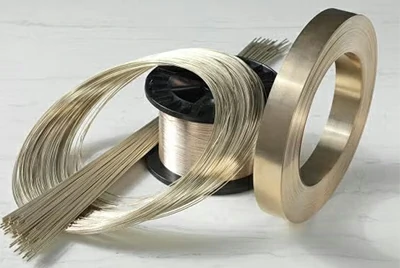
Full Range of Titanium Welding Wires
Titanium Welding Wire offers an exceptional strength-to-weight ratio, outstanding corrosion resistance, and excellent weldability, making it a critical filler metal for aerospace, chemical processing, and medical-grade manufacturing. Chalco supplies a full range of ERTi-2, ERTi-5, and ERTi-23 titanium welding wires, available in both 0.8 mm coil wire and 3.2 mm straight rod formats. All products comply with AWS A5.16 and AMS standards, with most sizes ready for immediate delivery.
Click to view available wire diameters and spool weights.
Chalco Titanium Welding Wire Grades Overview
To meet the demanding welding needs of aerospace, chemical processing, and medical device industries, Chalco supplies a wide range of titanium welding wire grades that comply with AWS A5.16 standards. Our portfolio covers both commercially pure titanium and titanium alloys, available for TIG (GTAW) and MIG (GMAW) welding processes. Below is an overview of Chalco's available grades:
ERTi-2 Welding Wire
Standards: AWS A5.16, ASTM B863, AMS 4951
ERTi-2 is a general-purpose titanium filler wire made from Grade 2 commercially pure titanium. It offers moderate strength, good ductility, and excellent weldability, making it the most commonly used filler metal for joining Grade 2 base materials.
Contact us now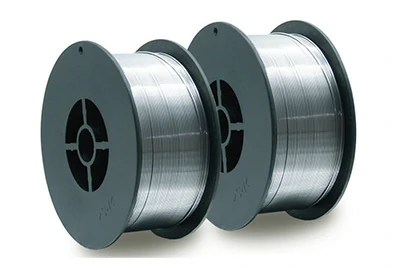
| Wire Grade | Tensile Strength (MPa / ksi) | Yield Strength (MPa / ksi) | Elongation (%) |
|---|---|---|---|
| ERTi-2 (Gr2) | 345 MPa / 50 ksi | 275 MPa / 40 ksi | 20% |
- Pressure vessels
- Heat exchangers
- Desalination equipment
- Chemical storage tanks
ERTi-5 Welding Wire
Standards: AWS A5.16, ASTM B863, AMS 4954
ERTi-5 is a high-strength titanium alloy welding wire formulated for Grade 5 (Ti-6Al-4V) base materials. It offers exceptional tensile strength, good corrosion resistance, and a weld joint strength that closely matches the base metal—ideal for high-load structural applications.
Contact us now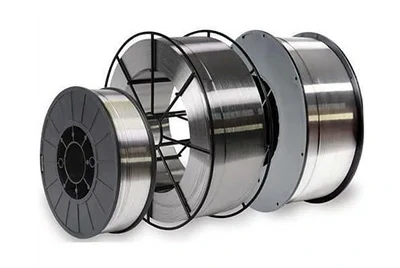
| Wire Grade | Tensile Strength (MPa / ksi) | Yield Strength (MPa / ksi) | Elongation (%) |
|---|---|---|---|
| ERTi-5 (Gr5) | 895 MPa / 130 ksi | 828 MPa / 120 ksi | 10% |
- Aerospace structures
- Turbine components
- High-performance automotive parts
- Marine hardware
- Medical devices
Other Titanium Filler Wire Grades
-
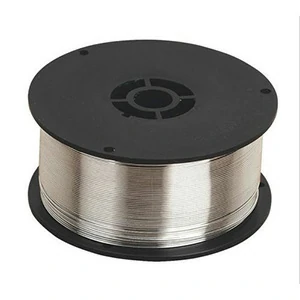 ERTi-1 Welding Wire — UNS R50100
Mechanical Properties: Tensile Strength ≥ 240 MPa, Elongation ≥ 24%
Features: Offers the best formability among all titanium wires; ideal for low-load weldments or components requiring multiple cold working steps.
Typical Applications: Complex thin-wall structures, electrode connections, electrolytic equipmentAWS A5.16 ASTM B863 -
ERTi-3 Welding Wire — UNS R50125
Mechanical Properties: Tensile Strength ≥ 450 MPa, Elongation ≈ 18%
Features: A medium-to-high strength commercially pure titanium, combining strength with good ductility; suitable for applications requiring both pressure resistance and formability.
Typical Applications: Cryogenic tanks, petrochemical fittings, medical equipment housingsAWS A5.16 ASTM B863 AMS 4951 -
ERTi-4 Welding Wire — UNS R50130
Mechanical Properties: Tensile Strength ≥ 550 MPa, Elongation ≈ 15%
Features: The strongest grade among pure titanium wires, with corrosion resistance similar to Grade 2; suitable for components under high pressure loads.
Typical Applications: High-pressure gas cylinders, oilfield wellhead components, orthopedic fixation platesAWS A5.16 ASTM B863 AMS 4951 -
ERTi-7 Welding Wire — UNS R52401
Mechanical Properties: Similar to ERTi-2; with enhanced resistance to crevice corrosion
Features: Excellent stability in chloride-rich or reducing environments
Typical Applications: Chlor-alkali plants, bleaching towers, hydrochloric acid processing, paper mill equipmentAWS A5.16 ASTM B863 -
ERTi-9 Welding Wire — UNS R56320
Mechanical Properties: Tensile Strength ≥ 620 MPa, Elongation ≈ 15%
Features: An α+β titanium alloy offering higher strength than commercially pure titanium while remaining lighter than steel; excellent toughness after welding
Typical Applications: Seawater heat exchanger bundles, oil coolers, lightweight bicycle frames, motorcycle frame weldingAWS A5.16 ASTM B863 -
ERTi-23 Welding Wire — UNS R56402
Mechanical Properties: Similar strength to ERTi-5 with lower impurity content and improved fracture toughness
Features: Engineered for biocompatible welding, especially for medical and implant-grade applications
Typical Applications: Artificial joints, dental welding components, electrophysiological device reinforcementsAWS A5.16 ASTM B863 AMS 4956
Chemical Composition & Specification Comparison Table
To support engineers and procurement teams in quick alloy selection, the table below outlines the key specifications of Chalco's commonly supplied titanium welding wires. It includes AWS A5.16 grades, UNS numbers, corresponding ASTM & AMS standards, typical chemical composition, strength levels, and main application scenarios.
| AWS Grade | UNS Number | ASTM Standard | AMS Spec | O (%) | Fe (%) | Al (%) | V (%) | UTS (MPa) | Strength Level |
|---|---|---|---|---|---|---|---|---|---|
| ERTi-1 | R50100 | GR1 | AMS 4951 | 0.03–0.10 | 0.08 | - | - | ≥ 240 | Low Strength |
| ERTi-2 | R50120 | GR2 | AMS 4951 | 0.08–0.16 | 0.12 | - | - | ≥ 345 | Medium Strength |
| ERTi-3 | R50125 | GR3 | AMS 4951 | 0.12–0.20 | 0.16 | - | - | ≥ 450 | Medium–High |
| ERTi-4 | R50130 | GR4 | AMS 4951 | 0.18–0.32 | 0.25 | - | - | ≥ 550 | High Strength |
| ERTi-5 | R56400 | GR5 | AMS 4954 | 0.12–0.20 | 0.22 | 5.5–6.7 | 3.5–4.5 | ≥ 895 | Ultra-High |
| ERTi-7 | R52401 | GR7 | - | 0.08–0.16 | 0.12 | - | - | ≈ 345 | Corrosion-Resist |
| ERTi-9 | R56320 | GR9 | - | 0.08–0.12 | 0.22 | - | - | ≥ 620 | Medium–High |
| ERTi-23 | R56402 | GR5-ELI | AMS 4956 | 0.03–0.11 | 0.20 | 5.5–6.5 | 3.5–4.5 | ≥ 860 | Medical Grade |
Tell us your welding application scenario, and Chalco's technical team will recommend the right grade and provide a formal quote within 24 hours.
Specifications & Packaging of Titanium Welding Wire
Titanium welding wires are available in three major forms to suit different welding applications: spooled wire for MIG welding, cut-length filler rods for TIG/GTAW and robotic stations, and bulk coils for high-volume or additive manufacturing.
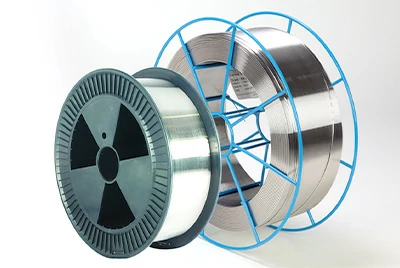
Titanium Spool Wire – For MIG Welding
Type: Titanium MIG Wire
Diameter: Ø 0.8 / 1.0 / 1.2 / 1.6 mm
Spool: 10 lb (BS300) or 15 kg (D300) plastic reels
Features: Ensures stable wire feeding and arc control, ideal for automated, high-volume MIG welding
Packaging: Vacuum-sealed in aluminum foil bags with desiccant, packed in corrugated cartons
Cut-Length Wires – For TIG & Robotic Welding
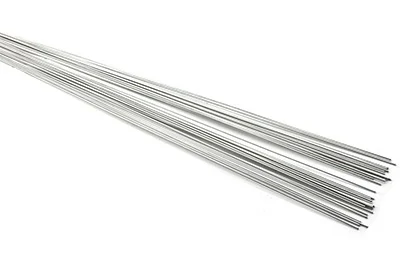
Type: Titanium TIG Wire, Titanium Filler Wire
Diameter: Ø 0.8 – 2.4 mm
Length: 250 mm / 500 mm; custom lengths available
Features: Smooth manual TIG feeding, also compatible with robotic wire-feeding systems
Packaging: 5 kg per tube, PVC hard tubes to prevent bending, vacuum sealed
Bulk Coil – For WAAM & Large-Scale Applications
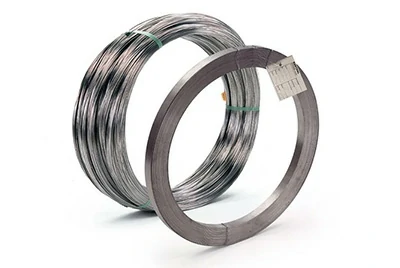
Type: Titanium Wire for WAAM (Wire Arc Additive Manufacturing)
Diameter: Ø 1 – 3 mm
Weight: 100 kg large coils to reduce spool changeovers
Applications: WAAM additive manufacturing, heat exchanger tube bundle production
Looking for Straight Rods?
Beyond spooled and cut-length wires, Chalco also supplies titanium welding rods in Ø 1.6 – 3.2 mm and lengths of 914 mm (36 in) / 1000 mm for manual TIG welding.
Packaging & Delivery Overview
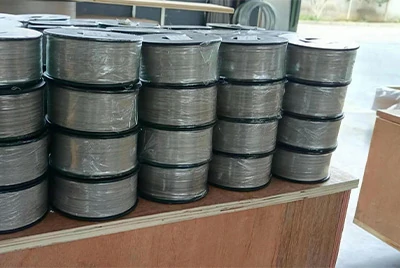
Packaging: All wires are vacuum-sealed in aluminum foil bags with desiccants, then packed in fumigated plywood crates with IPPC marking for seaworthy and airworthy protection.
Lead Time:
Stocked specifications: Ships in 1–3 days
Custom sizes: 2–4 weeks production lead time
Logistics:
Small volumes (5–45 kg): Shipped via DHL/FedEx door-to-door in 3–5 days
Bulk orders (≥100 kg): Air freight (4–7 days airport-to-port) or ocean LCL (25–30 days)
Trade Terms: EXW, FOB, CIF, DDP and other Incoterms available upon request
Shipping Documents: Commercial invoice, packing list, Certificate of Origin, REACH/RoHS declarations, and Mill Test Certificate (MTC) are provided with every shipment
Why Choose Chalco Titanium Welding Wire
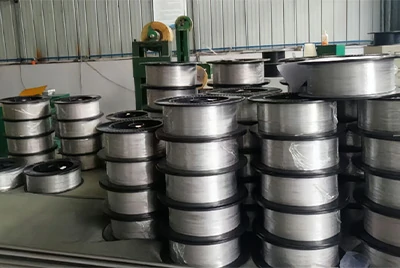
- Fully Integrated Production Chain: From titanium ingot melting, rolling, and precision drawing to surface finishing and packaging, Chalco controls every step in-house to ensure consistent quality and reliable supply.
- Double VAR Refining ProcessAll titanium wire undergoes Double Vacuum Arc Remelting (VAR) to significantly reduce hydrogen content and impurities, ensuring high weld soundness with minimal risk of porosity or cracking.
- Global Certifications: Products comply with ISO 9001, AS9100 (aerospace), and ISO 13485 (medical) quality systems. We provide full traceability and issue EN 10204 3.1 / 3.2 Mill Test Certificates upon request.
- Flexible MOQ & Fast Delivery: Standard diameters are available from stock with MOQ starting at 5 kg. Custom orders can be produced in as fast as 2 weeks, with worldwide delivery via air or sea. Samples are available upon request.
- Comprehensive Technical Support: We offer tailored welding guidance—including shielding gas purity, heat input recommendations, and grade selection consultation—to help your engineering project proceed smoothly and confidently.
Typical Applications of Titanium Welding Wire
Aerospace Industry
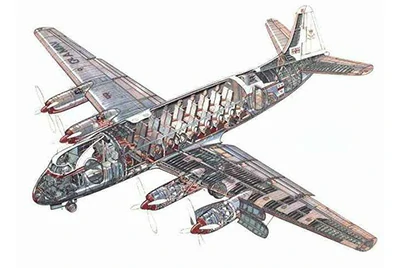
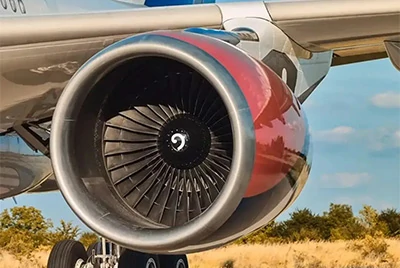
Aircraft and spacecraft endure extreme vibration, thermal cycling, and fatigue throughout tens of thousands of flight cycles. Weld integrity directly impacts structural safety and service life. With its superior strength-to-weight ratio, high temperature resistance, and corrosion resistance, titanium is a core material for aerospace skins, engine housings, and hydraulic systems.
Typical Applications- Main structural components of fuselage and landing gear
- Turbine engine casings and hot-section nozzles
- High-pressure hydraulic and fuel lines
- ERTi-5 (Ti-6Al-4V): High strength and excellent fatigue performance
- ERTi-23 (Ti-6Al-4V ELI): Enhanced toughness for critical weld zones
Case Study
A European narrow-body aircraft program used ultra-low hydrogen ERTi-5 wire (≤9 ppm H) to reinforce wing spar sections. After 500,000 full-scale fatigue cycles, no microcracks were detected in the welds. This extended maintenance intervals from 12 to 15 years and supported AS9100 audit approval.
Chemical & Energy Industry
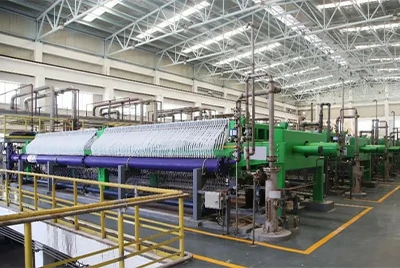
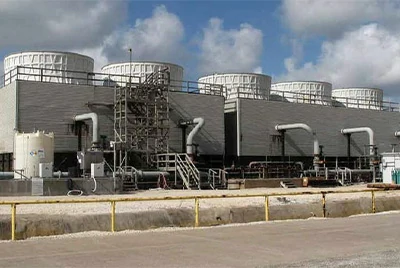
Chloride, nitric acid, and high-temperature acidic media severely corrode stainless steel welds. Titanium and Pd-alloyed titanium maintain long-term stability through a self-passivating oxide layer, significantly reducing downtime and maintenance costs.
Typical Applications- Desalination heat exchangers, chlor-alkali electrolyzers
- Petrochemical coolers and pressure vessels
- Nuclear waste cooling loops
- ERTi-2: General-purpose corrosion resistance for chemical equipment
- ERTi-7: Pd-alloyed titanium with superior crevice corrosion and hydrogen embrittlement resistance
Case Study
Saudi Arabia's Ras Al-Khair desalination plant used ERTi-2 wire to weld Grade 2 titanium pipes over a 120 km network. After 7 years of service, weld corrosion rate was <0.02 mm/year, saving approx. USD 1.5 million annually in maintenance.
Medical Devices
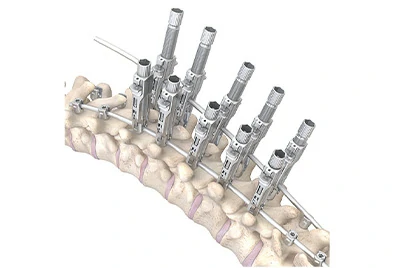
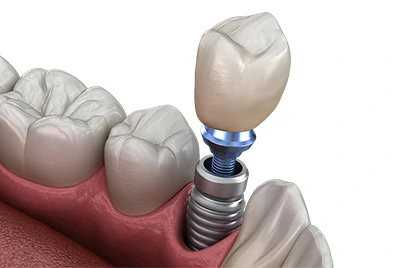
Implant welding requires both biocompatibility and mechanical reliability. ERTi-23 wire (Ti-6Al-4V ELI) has lower oxygen content, delivering superior weld toughness and crack resistance over standard Grade 5.
Typical Applications- Hip and knee stems, spinal rod systems
- Cardiovascular stents, dental abutments
- Precision surgical tools
- ERTi-23: ELI grade with low impurities and excellent ductility
- ERTi-2: Pure titanium casings and support structures
Case Study
A US-based orthopedic OEM adopted ERTi-23 to replace imported filler wire for a new-generation minimally invasive acetabular cup. Post-ISO 13485 audit, weld impact toughness increased by 12%, production lead time decreased by 9%, and the product passed FDA 510(k) clearance.
Marine & Offshore Engineering
Deep-sea structures face high pressure, chloride exposure, and erosion. Titanium welds offer near-zero maintenance and significantly outlast copper-nickel systems by 2–3x.
Typical Applications- Tube sheets in seawater heat exchangers
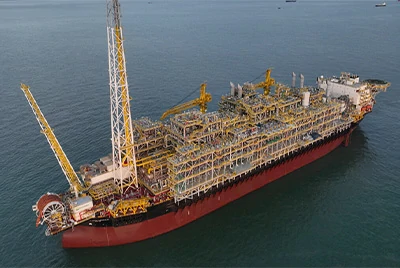
- Cooling modules on FPSOs
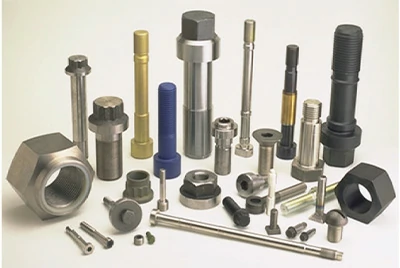
- Fasteners and submersible frames
- ERTi-2: For tubes and piping
- ERTi-5: For high-strength fasteners and structural welds
Case Study
An FPSO unit in Norway used ERTi-2 TIG wire for onsite repairs in its cooling system retrofit. After 3 years, cathodic protection current on weld areas dropped by 40%, confirming corrosion suppression and extending maintenance intervals.
Automotive & Motorsport
In Formula 1 and supercars, saving 1 kg in weight can improve lap time by 0.03s. Exhaust and suspension welds must withstand heat, vibration, and fatigue.
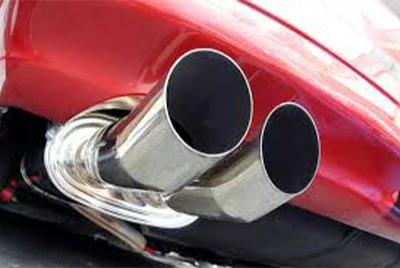
Typical Applications- Exhaust manifolds and silencers
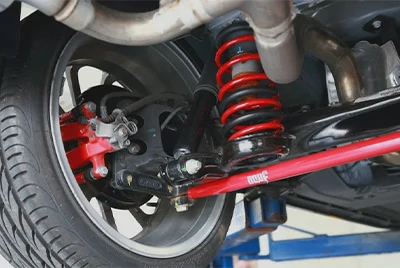
- Suspension springs and control arms
- Turbocharger housings
- ERTi-5: For high-temp, vibration-prone zones
- ERTi-2: For EV battery case shielding
Case Study
An Italian supercar manufacturer used ERTi-5 wire to reduce exhaust wall thickness from 1.2 mm to 0.9 mm, shaving 4.1 kg off vehicle weight. The new design passed continuous 800 °C thermal cycling tests without weld failure.
Need application-specific grade selection or welding guidance? Click below for expert assistance and fast quotation.
Welding Best Practices for Titanium Welding Wire
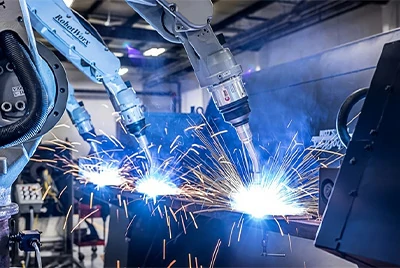
A proper welding process is critical to achieving the full strength and corrosion resistance of titanium welding wire. Below are three key factors that are often overlooked but have the most significant impact on weld quality in the field.
3 Essential Tips You Must Know Before Welding
While titanium wire offers outstanding performance, it is highly sensitive to welding conditions. The following three elements are the most commonly neglected — and the most likely to cause weld failure if ignored:
Shielding Gas Must Be Ultra-Pure and Stable
- Use high-purity argon ≥ 99.99% (Argon 4.6 or higher)
- Maintain backside purging until O₂ < 20 ppm to prevent root oxidation
- Recommended flow rate: TIG 8–12 L/min; MIG 10–15 L/min
- Post-purge for at least 10 seconds to avoid heat-zone discoloration
Cleanliness Is Non-Negotiable
- Clean at least 50 mm from the weld area using chlorine-free solvents
- Use tools exclusively for stainless/titanium to prevent cross-contamination
- Avoid contamination from sweat, oil, or iron particles
Weld Color Is Your Best Early Warning
- Bright silver/golden: Excellent shielding
- Blue/gray/white: Over-oxidation — check gas purity or heat input
- Keep interpass temperature < 150 °C to prevent α-case embrittlement
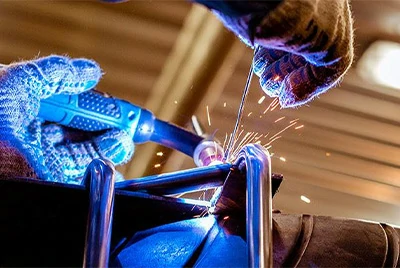
Typical Welding Parameters for Titanium Welding Wire (GTAW / GMAW)
The following recommended ranges apply to mainstream titanium welding wires such as ERTi-2 and ERTi-5. Please adjust current and shielding gas settings based on base metal thickness and equipment performance.
Recommended TIG (GTAW) Parameters
| Wire Size | Tungsten Electrode | Current (A) | Voltage (V) | Nozzle Size | Argon Flow (cfh) | Base Metal Thickness |
|---|---|---|---|---|---|---|
| 1/16” | 1/16” | 100–185 | 9–12 | 1/2” | 20 | 1/16–1/8” |
| 3/32” | 3/32” | 150–250 | 11–15 | 5/8” | 25 | 1/8–3/16” |
| 1/8” | 1/8” | 200–375 | 11–15 | 3/4” | 30 | 1/4–1/2” |
Recommended MIG (GMAW) Parameters
| Wire Diameter | Wire Feed Speed (ipm) | Current (A) | Voltage (V) | Shielding Gas Flow (cfh) |
|---|---|---|---|---|
| 0.030” | 450–650 | 100–195 | 16–20 | 35–65 (Ar or Ar-He) |
| 0.035” | 480–420 | 165–285 | 18–27 | 35–65 |
| 0.045” | 500–880 | 250–360 | 31–35 | 35–65 |
Ensure all welding is performed in a clean, wind-free environment, with strict control over gas purity and titanium surface cleanliness.
Welding Position Reference (Welding Positions)
Titanium welding wire is suitable for a wide range of standard welding positions. Below are internationally recognized codes (PA to PG) for various orientations to match different welding conditions and joint geometries:

- PA – Flat Position
- PB – Horizontal Position
- PC – Vertical Down Position
- PD – Horizontal Fillet Position
- PE – Overhead Position
- PF – Vertical Up Position
- PG – Inclined Overhead (for specialized welding tasks)
FAQs
How Do I Choose the Right Titanium Welding Wire for My Application?
Titanium welding wire should be opt based on the base metal grade and the service environment. A general rule is to match the filler metal as closely as possible to the base material:
- Commercially Pure Titanium (Grade 1–4) → Use ERTi-2 (Grade 2), ideal for most CP titanium welding with excellent weld compatibility
- High-Strength Alloys (e.g., Ti-6Al-4V / Grade 5) → Use ERTi-5 to ensure matching weld strength and toughness
- Corrosive or Crevice-Prone Environments → Choose ERTi-7, palladium-alloyed for superior resistance
- Extreme Toughness Requirements (e.g., aerospace or medical implants) → Opt for ERTi-23, the ultra-clean ELI version of Grade 5
What's the Difference Between TIG and MIG for Titanium Welding?
- TIG (GTAW): Best for manual or high-precision welding tasks such as thin sheets and medical devices. Uses straight rods.
- MIG (GMAW): Ideal for automated production, thicker materials, and high-volume welding. Uses spooled wire.
Choose based on your equipment, weld joint type, and production efficiency needs.
Does Titanium Welding Wire Require Special Storage? What's the Shelf Life?
Store in a dry, clean, sealed environment, away from iron particles, oil, and moisture.
- Unopened vacuum packaging: Shelf life up to 1–2 years
- After opening: Use within 6 months and re-vacuum seal if not used completely
Do You Offer OEM Services or Private Labeling? What's the MOQ?
Yes. We support OEM customization, including laser marking, private-label packaging, and alloy development.
- Standard MOQ is 5 kg for stocked grades
- Custom alloys or large spools are available per project negotiation
What Quality and Certification Documents Are Provided?
All titanium welding wires are supplied with:
- 3.1 / 3.2 Mill Test Certificates (MTC)
- Chemical composition reports
- Mechanical property test results
We also provide compliance documents as required, including REACH, RoHS, ISO 9001, AS9100, and ISO 13485.