

Platinized Titanium Anode Wire
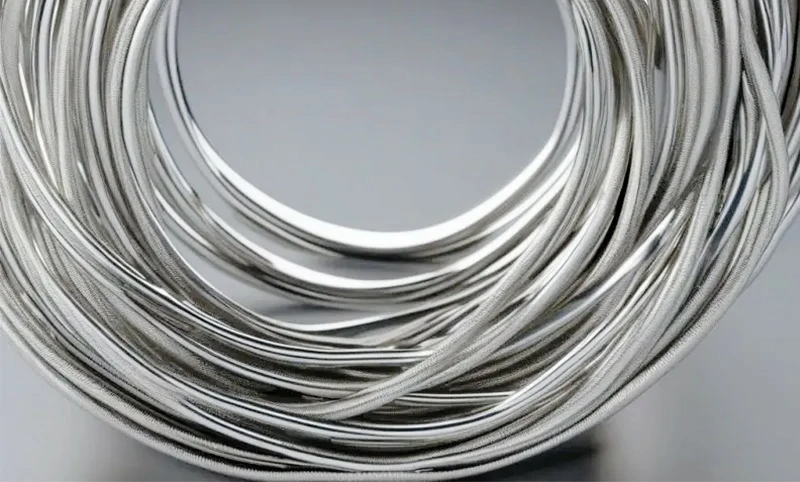
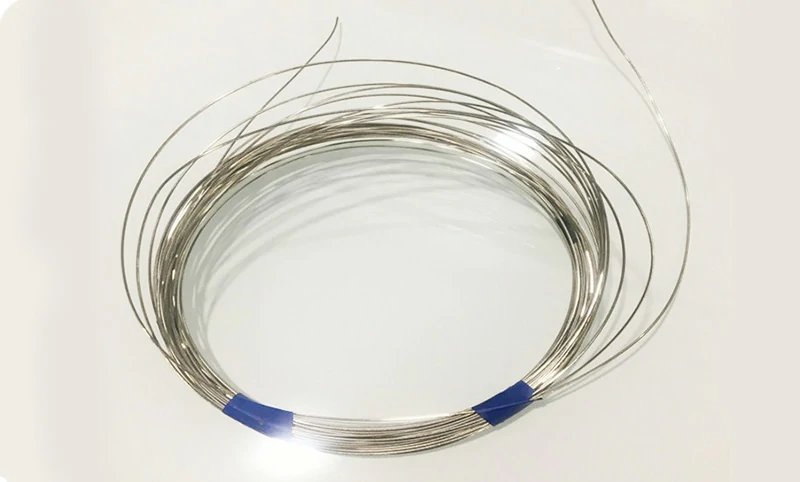
Updated : May. 27, 2026Platinized titanium anode wire is a linear insoluble anode with a titanium substrate and a platinum-coated surface. It is commonly used in high-demand electrochemical systems such as electroplating, cathodic protection, and precision electrolysis.
It not only delivers electrochemical performance close to that of solid platinum, but also offers the installation and customization advantages of wire form.
We can provide different diameters, lengths, coil or straight forms, localized coating areas, terminal structures, and platinum coating thicknesses according to project requirements, so it can better match actual process and equipment conditions.
Parameter information for platinized titanium anode wire
| Base material | Titanium Grade 1 / Grade 2 (TA1 / TA2) |
| Coating metal | Platinum (Pt) |
| Product form | Wire form, available in straight or coil form |
| Common wire diameter | 0.125–0.8 mm |
| Common platinum coating thickness | 0.8–1.5 μm |
| Confirmable platinum thickness range | Subject to application and order requirements |
| Coated area | Full coated or partially coated |
| End structure | Customized according to electrical connection and installation requirements |
| Customization options | Diameter, length, coated area, non-coated area, contact end, terminal structure, Pt thickness |
Standards and certifications for platinized titanium anode wire
- ASTM material standards (if applicable)
- ISO 9001:2015
- Internal testing and quality control
- ABS / DNV / CCS / BV to be confirmed based on project and product scope
If your project has specific standards, inspection requirements, or project document requirements for platinized titanium anode wire, you are welcome to provide the application scenario, specification sheet, or drawings when making an inquiry.
We can help confirm the applicable scope before quotation.
Applications of platinized titanium anode wire
Platinized titanium anode wire is suitable for electrochemical systems that require stable conductivity, corrosion resistance, dimensional stability, and the flexibility of a wire structure.
Compared with ordinary metal conductors or general anodes, it not only offers electrochemical operating characteristics close to those of solid platinum, but also takes advantage of the structural benefits of wire form to meet the needs of installation in narrow spaces, localized working area control, and customized connection requirements.
Electroplating and surface treatment
In electroplating and surface treatment systems, platinized titanium anode wire is commonly used in processes that require inert anodes, stable current output, and a cleaner bath environment.
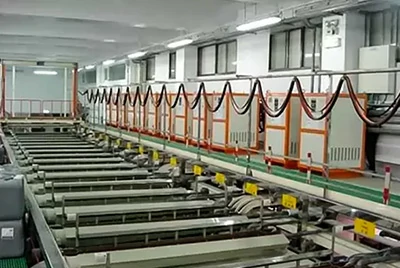
It is suitable for making slender, flexible, or localized working anode structures, especially for applications with limited installation space, those requiring auxiliary anodes, or those that need to be customized to fit equipment structures.
Cathodic protection and internal corrosion protection
In electroplating and surface treatment systems, platinized titanium anode wire is commonly used in processes that require inert anodes, stable current output, and a cleaner bath environment.
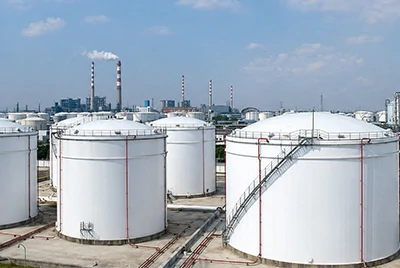
Its advantage is not only corrosion resistance, but also the ability to use the wire form for more flexible layouts, such as long-distance routing, bent installation, customized localized working areas, and insulation or non-coated treatment for non-working sections.
Laboratory equipment and precision electrochemical systems
In laboratory equipment, small electrolysis units, and precision electrochemical systems, platinized titanium anode wire is commonly used in applications that require small dimensions, controllable working areas, and flexible connection structures.
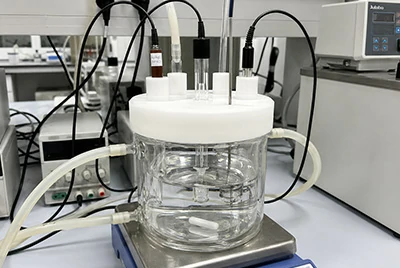
For R&D, laboratory, and precision equipment customers, the product is precisely customized according to experimental and equipment requirements.
Recommended platinum coating thickness for different applications
| Application | Recommended Pt Thickness |
| Rhodium baths, strongly acid | 2.5 μm |
| Gold baths, weakly acid | 1.5 μm |
| Gold baths, alkaline | 1.5 μm |
| Hard chromium plating, fluoride-free (Pt-Ti), fluoride-containing (Pt-Nb) | 2.5 / 5 μm |
| Nickel / nickel alloy baths | 1.5 μm |
| Cyanide waste waters | 1.5 μm |
| Anodizing | 1.5 / 2.5 μm |
If you are not sure whether platinized titanium anode wire is suitable for your current project, you are welcome to provide your application scenario, electrolyte, operating current density, temperature, wire diameter, length, and effective coated area directly.
If the project does not require a wire anode, other forms such as rod, mesh, or plate can also be further evaluated based on the effective working area and installation structure.
Manufacturing and customization capabilities
Platinized titanium anode wire is not only available in standard specifications, but can also be customized according to drawings and actual working conditions.
For electroplating, cathodic protection, and precision electrochemical projects, we can confirm key parameters based on the customer's installation structure and usage requirements, including wire diameter, length, straight or coil form, Pt coating thickness, full or partial coating, masking area, end connection method, and cut length.
Customizable items
- Wire diameter
- Cut length / coil length
- Straight or coil form
- Pt coating thickness
- Full coated / partial coated / masking area
- End connection / terminal design
- Drawing-based or application-based specification
If you have drawings, samples, or clear working condition requirements, you can provide them directly to us for confirming suitable custom specifications and the quotation range.
Quality control and inspection
Platinized titanium anode wire coating quality verification
| Test Item | Test Condition | Acceptance Criteria |
| Coating adhesion | 3M tape test | No black trace on tape |
| Coating adhesion | 180° bend on Φ12 mm mandrel | No flaking or peeling at bend area |
| Coating uniformity | X-ray fluorescence spectrometer (XRF) | ≤ 15% |
| Coating thickness | X-ray fluorescence spectrometer (XRF) | 0.1–15 μm |
| Coating thickness tolerance | X-ray fluorescence spectrometer (XRF) | Example: 2.0 μm ± 0.2 μm (electroplating); 2.0 μm ± 0.6 μm (brush plating) |
| Chlorine evolution potential | 2000 A/m², saturated NaCl, 25 ± 2°C | ≤ 1.15 V |
| Chlorine polarization | 200 / 2000 A/m², saturated NaCl, 25 ± 2°C | ≤ 40 mV |
| Accelerated life test | 40000 A/m², 1 mol/L H₂SO₄, 40 ± 2°C | ≥ 150 h (1 μm) |
| Weight loss test | 20000 A/m², 8 mol/L NaOH, 95 ± 2°C, 4 h electrolysis | ≤ 10 mg |
| Coating purity | ICP / spectrometer | ≥ 99.95% |
For platinized titanium anode wire, purchasing and use are not just about checking whether a platinum coating is present, but also whether the coating adhesion is reliable, the thickness is controlled, the uniformity is stable, and the electrochemical performance can be verified.
Inspection standards and release requirements
To ensure the stability and consistency of platinized titanium anode wire, raw materials, surface condition, coating inspection, and release requirements should be controlled according to clearly defined standards.
For procurement and engineering projects, the release basis should be consistent with the order, drawings, and technical requirements.
| Inspection item | Standard / requirement |
| Base material | Titanium plate/titanium mesh may be supplied in accordance with ASTM B265 Grade 1 or Grade 2; titanium wire/titanium rod may be supplied in accordance with ASTM B348 Grade 1 or Grade 2 |
| Surface condition | The surface shall be clean, free from obvious contamination, scratches, or defects that affect use |
| Coating inspection | Coating adhesion and thickness shall be verified according to specified methods |
| Release basis | Release is permitted only after inspection results meet the order, drawings, or project technical requirements |
Note: The specific inspection scope and acceptance standards can be confirmed according to the order, drawings, and project requirements.
Chemical composition of the base material for platinized titanium anode wire
For platinized titanium anode wire, both Grade 1 and Grade 2 titanium are commonly used base materials.
| Element | Grade 1 | Grade 2 |
| Iron (Fe) | ≤ 0.20% | ≤ 0.30% |
| Carbon (C) | ≤ 0.08% | ≤ 0.08% |
| Nitrogen (N) | ≤ 0.03% | ≤ 0.03% |
| Hydrogen (H) | ≤ 0.015% | ≤ 0.015% |
| Oxygen (O) | ≤ 0.18% | ≤ 0.25% |
| Single impurity (each) | ≤ 0.10% | ≤ 0.10% |
| Other impurities (total) | ≤ 0.40% | ≤ 0.40% |
| Titanium (Ti) | Balance | Balance |
In general, Grade 1 is more suitable for applications with higher requirements for flexibility and formability, while Grade 2 offers higher strength.
The final base material selection should be confirmed based on wire diameter, forming method, installation structure, and project requirements.
Advantages of platinized titanium anode wire
- Titanium is used as the substrate and platinum as the working layer, combining corrosion resistance with electrochemical activity.
- Compared with pure platinum anodes, it is more favorable for controlling precious metal material costs.
- Suitable for insoluble anode applications that require stable conductivity and dimensional stability.
- Wire diameter, length, coated area, and end structure can be confirmed according to the project.
- For some projects, repair or recoating solutions can be evaluated to improve substrate utilization.
If your project has specific requirements for current density, media compatibility, installation method, or custom structure, a more suitable platinized titanium anode wire solution can be further confirmed based on drawings or working conditions.
Packaging and transportation of platinized titanium anode wire
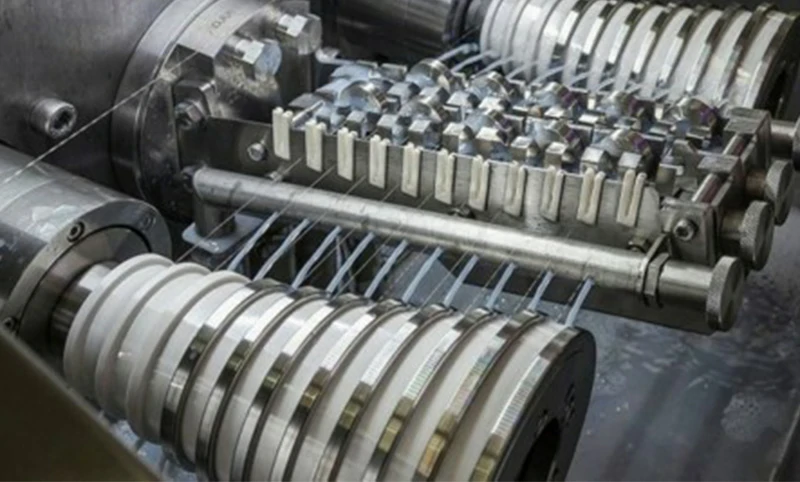
To reduce the risk of wire deformation, surface damage, end impact damage, and label mix-up during transportation, platinized titanium anode wire can be packed in suitable ways according to product form, length, wire diameter, end structure, and order requirements.
For straight wire, coiled wire, and products with partial coating or special end structures, the packaging focus is on protection against pressure, bending, and friction, as well as clear batch identification, to ensure the product remains in good condition during transportation and upon arrival.
For shipment arrangements, we will confirm a suitable shipping plan based on order specifications, packaging dimensions, and delivery method.
Clear outer carton markings and standardized packaging procedures help improve shipment identification efficiency and reduce the risk of confusion and damage during international transportation, warehousing transfer, and delivery handover.
For orders with special packaging, grouped packing, or project-based shipment requirements, the packaging method and shipping documents can also be confirmed according to actual needs.

Related products of platinized titanium anode wire
In addition to platinized titanium anode wire, we can also provide a variety of related anode forms to match different installation structures, working areas, and operating condition requirements.
For projects that require larger surface area, higher structural rigidity, or different coating systems, other product forms can also be further evaluated.

Titanium Anode
Titanium Mesh Anode
MMO Titanium Mesh Anode
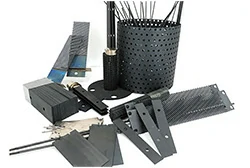
Titanium Anode Basket
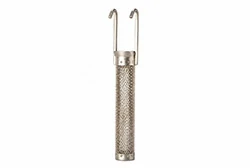
Lead Dioxide Coated Titanium Anode
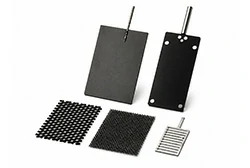
Ruthenium Iridium Titanium Anode
If you are not sure whether your current project is better suited to wire, rod, mesh, or another anode form, it can be further confirmed based on the application scenario and installation conditions.
How to choose platinized titanium anode wire
When selecting platinized titanium anode wire, first confirm the electrolyte, current density, temperature, and service environment. These conditions directly affect whether the anode is suitable, as well as the stability and service life of the coating.
Second, confirm the Pt coating thickness. Platinum thickness is not a fixed value, but should be evaluated based on operating conditions, service life requirements, and cost.
Third, check whether the structure is suitable. Wire form is suitable for narrow spaces, localized working areas, and custom projects. If higher rigidity is required, rod can be considered. If a larger surface area and more uniform current distribution are needed, mesh or plate can be considered.
Finally, before placing an order, it is recommended to confirm the wire diameter, length, coated area, non-coated area, and end connection method. A suitable anode must not only use the right material, but also match the equipment and installation conditions.
Safe use and maintenance recommendations for platinized titanium anode wire
In actual use, the service life and stability of platinized titanium anodes depend not only on the material itself, but also closely on the way they are operated and maintained.
For electroplating, electrolysis, or corrosion protection systems that require long-term operation, proper use of the anode helps reduce abnormal coating loss and maintain a more stable working condition.
During use, the anode surface should be protected as much as possible from scratches, impact, or excessive bending caused by hard objects, because the integrity of the working surface directly affects subsequent performance.
At the same time, the electrolyte composition, current density, and operating temperature should match the actual application, to avoid long-term operation in unsuitable media or under excessive load.
During equipment startup, it is recommended to keep changes in current and voltage as stable as possible, reducing the impact of sudden shock on the anode. After use, necessary cleaning and proper storage should also be carried out according to process conditions, to reduce the risk of contamination, scaling, or surface damage.
Standardized use affects not only the service life of the anode itself, but also the stability of the entire system, maintenance frequency, and long-term operating cost.
FAQ
What is platinized titanium anode wire?
It is a linear insoluble anode with a titanium substrate and a platinum-coated surface, commonly used in electroplating, cathodic protection, and precision electrolysis.
What applications is platinized titanium anode wire mainly used for?
It is mainly used in electroplating and surface treatment, cathodic protection and internal corrosion protection, as well as laboratory equipment and precision electrochemical systems.
Can platinized titanium anode wire be customized?
Yes. Common customization options include wire diameter, length, straight or coil form, platinum coating thickness, coated area, and end connection method.
Faster quotation
To reduce back-and-forth communication and improve quotation accuracy, it is recommended to provide the following information first when making an inquiry.
- Wire diameter
- Length or coil length
- Straight or coil form
- Pt coating thickness requirement
- Coated area / non-coated area
- Terminal or end connection
- Electrolyte composition
- Current density and temperature
- Quantity and document requirements
If you already have drawings, samples, or clear working conditions, you can also send them directly to us.
For drawing-based or custom projects, confirming these parameters in advance usually helps complete specification evaluation and quotation more quickly.


